



Starting a SANE Program When You’re Not a SANE Nurse (Yes, You Can)

- SANE programs require strong community partnerships and leadership buy-in, not financial incentives
- Training and supporting nurses is essential to building sustainable programs in underserved areas
- Access to timely forensic care directly impacts patient outcomes and the pursuit of justice
Podcast Episode


When sexual assault survivors walk into an emergency department, time, privacy, and expertise matter. But in many parts of the country, even fast-growing, well-resourced communities, those critical services simply don’t exist.
That was the reality in Baldwin County, Alabama.
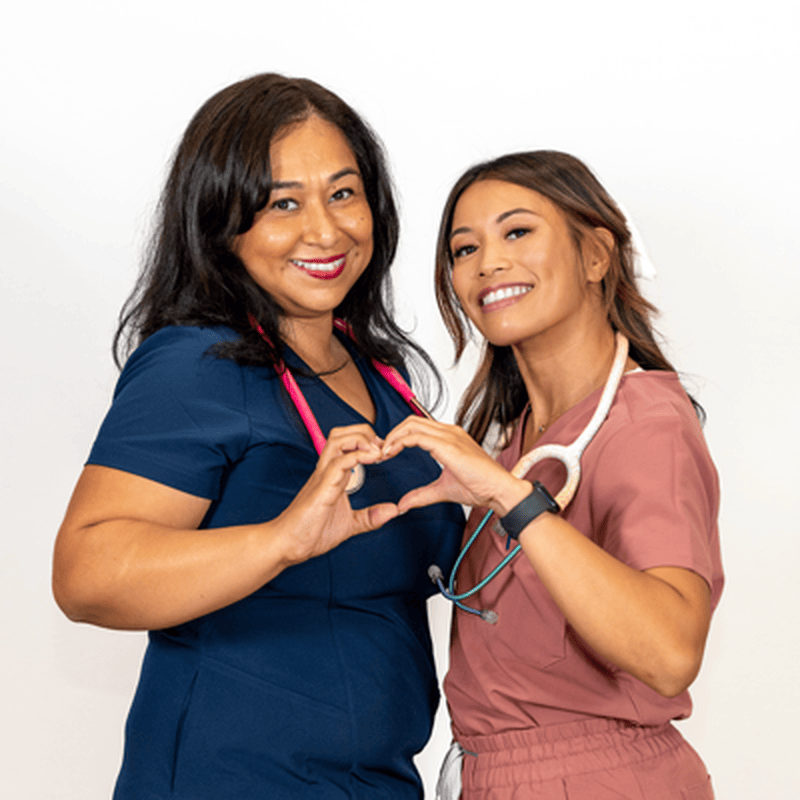
And it’s exactly what pushed two nurses to act.

There Was No One to Call
For Shannon Krebs, an ER nurse in coastal Alabama, the gap in care became impossible to ignore years ago.
Working in a busy tourist region near Gulf Shores and Orange Beach, she routinely saw sexual assault survivors come through the ER, only to realize there was no local SANE (Sexual Assault Nurse Examiner) program available.
Instead, patients were told to travel.
Sometimes an hour away. Sometimes longer.
“In the summer, that hour could easily turn into two,” her colleague Marcina Doze explained. “And once they got there, they’d still have to wait.”
For patients already experiencing trauma, fear, and shock, the system created another barrier, one many simply couldn’t overcome.
An estimated number never completed exams. Some never reported at all.
Others walked out.
The Hidden Cost: Lost Evidence, Lost Justice
Without timely forensic exams, cases fall apart.
Law enforcement and prosecutors in the region were already seeing the impact: fewer completed evidence kits, fewer prosecutable cases, and fewer opportunities for justice.
“It’s not just about access to care,” Krebs said. “It directly affects whether perpetrators are held accountable.”
And for survivors, the experience of being turned away or redirected can feel like being retraumatized all over again.
Building a Program Where None Existed
Despite multiple failed attempts over the past 25 years to launch a SANE program in the area, Krebs decided to try again, this time with a different approach.
The turning point came when a local judge offered funding support through reallocated tobacco tax dollars.
From there, Krebs partnered with Marcina Doze, an experienced SANE nurse who had helped build multiple programs before.
Together, they began laying the groundwork.
And it started with one critical lesson:
You cannot do this alone.
Step 1: Build Your Coalition First
Before hiring staff or writing protocols, the team focused on relationships.
They connected with:
- Hospital leadership
- Law enforcement agencies
- The District Attorney’s office
- Women’s shelters and advocacy groups
“Collaboration is everything,” Krebs emphasized. “There is no SANE program that succeeds in isolation.”
Equally important was educating the community, including hospital administrators, many of whom assumed these services already existed.
“They were shocked,” Krebs said. “Just like I was.”
Step 2: Secure Buy-In (Not Profit)
One of the biggest barriers? Money.
SANE programs are not revenue generators.
“They will cost your hospital money, period,” Doze said.
Reimbursement is inconsistent and often minimal. Nurses are frequently on call without additional pay. Programs require training, coordination, and dedicated space.
That means leadership support must be rooted in mission, not margin.
“This is about doing the right thing for your community,” Krebs said.
Step 3: Train (and Grow) Your Own SANE Nurses
Finding certified SANE nurses isn’t always realistic, especially in underserved areas.
So the team built their own pipeline.
They:
- Hosted SANE training courses (adult, adolescent, pediatric)
- Recruited nurses from across departments (ER, L&D, med-surg)
- Created realistic expectations about the role
Because the reality isn’t glamorous.
“This is not Law & Order: SVU,” Doze said. “Cases don’t wrap up in an hour. Sometimes you never even know the outcome.”
The work is emotionally demanding. Training itself can be triggering. And courtroom testimony is part of the job.
To prepare nurses, the program incorporated mock trials, giving participants hands-on experience testifying in a courtroom setting.
“You’re not defending your care,” Krebs explained. “You’re the expert. You’re educating the court.”
That mindset shift is critical and empowering.
Step 4: Expect Barriers and Plan for Them
Even with strong leadership and funding, challenges are unavoidable:
- Staffing shortages
- Emotional toll on nurses
- Community denial (“this doesn’t happen here”)
- Low initial engagement
- Complex coordination across agencies
“It takes time,” Doze said. “A year for us, and that’s not unusual.”
And even after launch, the work continues.
Programs must constantly:
- Re-educate law enforcement (due to turnover)
- Maintain visibility in the community
- Reinforce referral pathways
Step 5: Engage the Community Relentlessly
Awareness doesn’t happen automatically.
The team partnered with:
- Local news outlets
- Police departments
- Community organizations
They created simple tools, like “rack cards” for patrol officers, to make referrals easy and consistent.
“Sometimes it’s just reminding people: we’re here now,” Krebs said.
The Results: More Access, More Care
The program officially opened on January 13.
By February 1, they saw their first patient.
They expected to care for around 20 to 25 patients in the first year.
Instead, they saw 44.
Not because incidents increased, but because access finally existed.
Funding Wins and What’s Possible
As the program gained visibility, community support followed.
The team secured:
- A $94,000 grant from a local women’s organization
- Additional federal grant applications
- Plans to redesign patient rooms for privacy and comfort
Instead of sterile ER spaces, they’re creating environments where survivors can:
- Change out of hospital gowns
- Sit in a private interview area
- Feel a sense of dignity and control
The Real Reward
For all the challenges, financial, emotional, logistical, the impact is undeniable.
Survivors receive immediate, compassionate care.
Evidence is collected properly.
Cases have a stronger chance of moving forward.
And nurses step into a role that blends advocacy, clinical skill, and justice.
“You may not always see the outcome,” Doze said. “But you know you did your part.”
For Nurses Who Want to Start a SANE Program
If you’re seeing the same gap in your community, Krebs and Doze offer this advice:
- Start with partnerships, not policies
- Educate your hospital leadership
- Set realistic expectations about cost
- Invest in training your own nurses
- Prepare for resistance and keep going
- Find a “bounce partner” to help you through setbacks
Most importantly:
Don’t quit.
“It may feel slow. It may feel frustrating,” Doze said. “But every connection you make builds the program.”
SANE programs aren’t built overnight, and they’re not built for profit.
They’re built because patients need them.
Because survivors deserve better.
And because nurses, when they see a gap in care, have a long history of stepping in to fill it.
🤔 Nurses, what challenges have you seen in accessing SANE services in your community?