




Tuskegee Launches First HBCU Nursing Apprenticeship in Alabama— And It Pays!

- Tuskegee University has become the first four-year HBCU in Alabama to register a nursing apprenticeship program, partnering with Baptist Health System to offer paid clinical training and mentorship to nursing students.
- The program covers remaining tuition costs not met by other financial aid and pairs students one-on-one with experienced nurse mentors, giving them hands-on clinical experience earlier in their academic careers.
- Tuskegee joins more than 30 other institutions in Alabama's Student Nurse Apprenticeship Program, which launched in 2022 to address the state's growing nursing workforce shortage.
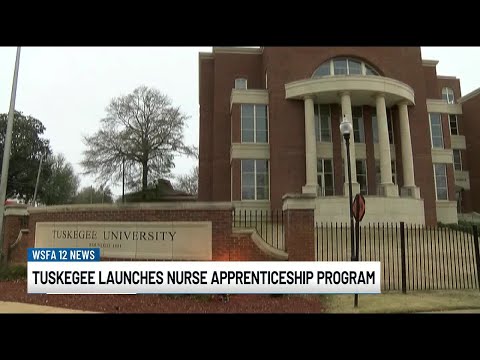
Tuskegee University has made history by becoming the first Historically Black College or University in Alabama to register a nursing apprenticeship program, creating a new pathway for nursing students that combines paid clinical experience, one-on-one mentorship, and financial support designed to keep more students in school through graduation.

The program, announced March 13, 2026, was developed through a partnership between Tuskegee University and Baptist Health System, and is registered through the Alabama Office of Apprenticeship within the Alabama Department of Workforce. It places Tuskegee as the first four-year HBCU to join Alabama's Student Nurse Apprenticeship Program, which has been in operation since March 2022 and now includes more than 30 postsecondary institutions across the state.
Tuskegee's nursing program has a deep history. The university established its nursing school in 1892 and launched the first baccalaureate nursing program in Alabama in 1948, making it one of the oldest continually operating HBCU nursing programs in the country.
What the Program Offers Nursing Students
The apprenticeship model is built around three core elements: paid on-the-job clinical learning, structured one-on-one mentorship with experienced nurses, and financial support to reduce barriers to degree completion. Baptist Health System will serve as Tuskegee's "last dollar" scholarship provider, covering remaining tuition or school-related expenses not already addressed by other financial aid, according to the Alabama Department of Workforce.
Students who join the program will begin hands-on clinical training earlier in their academic careers than traditional nursing programs typically allow. They will be paired individually with experienced nurse mentors in specialized hospital departments, giving them real-world experience before entering the full-time workforce.
Meredith Smith, Director of the Alabama Office of Apprenticeship, described the model as a new way of thinking about healthcare workforce development. "By blending education with paid and structured on-the-job learning, we are expanding opportunity for students while helping healthcare employers build a strong, sustainable talent pipeline," Smith said.
Tuskegee University President Dr. Mark A. Brown framed the program as part of a broader institutional push to align academic programs with workforce needs. "Our Renaissance Era continues to build workforce-aligned pathways that use the powerful resources right in our hands to prepare leaders — faster and better," Brown said.
Why This Matters for Alabama and Beyond
The United States is facing one of the most significant nursing shortages in modern history. National projections show more than 200,000 registered nurse openings annually over the next decade, with Southern states among the hardest hit. Alabama has been working since 2022 to build nursing pipelines through its apprenticeship initiative, but this marks the first time an HBCU has joined that effort at the four-year university level. Combined with paid clinical work, the program is designed to make it financially viable for students to complete their degrees without taking on additional debt or working unrelated jobs to pay tuition.
>>Listen to The Latest Nurse News Podcast
What Nurses Need to Know
For nurses who mentor students, work at hospital systems considering similar partnerships, or care about who enters the profession, Tuskegee's program is worth watching. It represents a model that addresses three of the biggest barriers to nursing workforce growth at once: financial access, early clinical readiness, and mentorship support.
The inaugural cohort of Tuskegee apprentices began their placements at Baptist Health System facilities, and state and university leaders say the model could serve as a template for other institutions looking to address workforce shortages through partnerships with healthcare employers.
 Nurses, what do you think about paid apprenticeship models for nursing students? Share your thoughts in the discussion forum below.
If you have a nursing news story that deserves to be heard, we want to amplify it to our massive community of millions of nurses! Get your story in front of Nurse.org Editors now - click here to fill out our quick submission form today!