



Free New Program Teaches Nurses How to Survive the Mental Toll of Natural Disasters
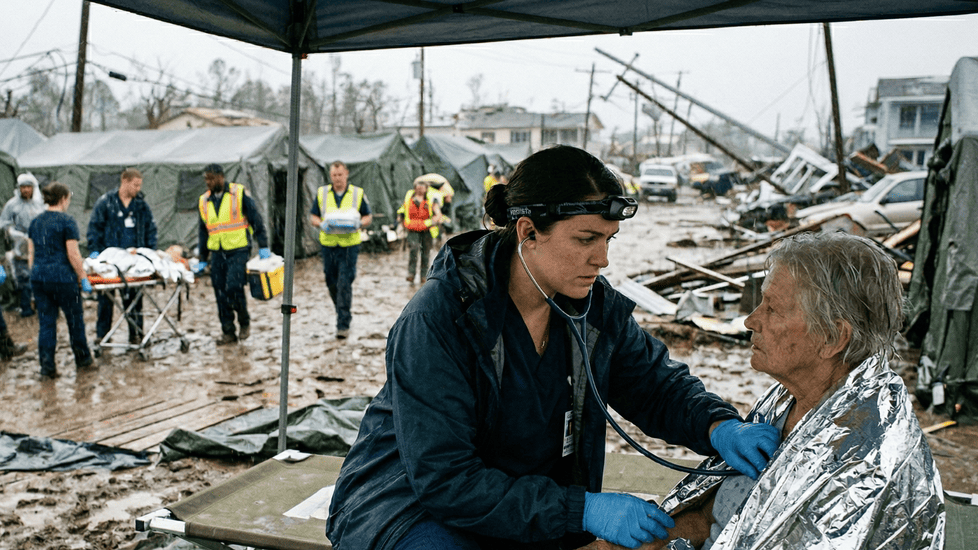
- Sigma Nursing and Johnson & Johnson have partnered to launch "Disaster to Recovery: Prioritizing Nurse Wellbeing," a free, evidence-based program that prepares nurses psychologically and emotionally for disaster situations.
- The program uses a three-phase framework covering pre-disaster resilience training, in-disaster psychological first aid and crisis communication, and post-disaster trauma processing and recovery support.
- With 62% of nurses now reporting burnout symptoms, the program is open to nurses of all specialties and available immediately at SigmaNursing.org/DisasterToRecovery.
Sigma Nursing announced a new strategic collaboration with Johnson & Johnson on March 23 to launch a comprehensive disaster preparedness and recovery program specifically designed for nurses. The initiative, called "Disaster to Recovery: Prioritizing Nurse Wellbeing," is backed by J&J and the J&J Foundation through the company's global social impact platform, J&J CareCommunity.

The free program is built around a three-phase framework that addresses what nurses need before, during, and after a disaster. It is open to nurses from all clinical and academic specialties and is available now at SigmaNursing.org/DisasterToRecovery.
The announcement comes at a time when nurse burnout has reached alarming levels. According to the National Council of State Boards of Nursing's 2025 workforce study, 62% of nurses report experiencing mild to severe burnout symptoms, a 28% increase since 2021.
What the Program Covers
The "Disaster to Recovery" program is structured around three distinct phases designed to support nurses throughout the full disaster lifecycle:
- Phase 1: Pre-Disaster Readiness. This phase focuses on building resilience before a disaster strikes. It includes stress recognition techniques, psychological readiness training, and tools for creating personalized resilience plans.
- Phase 2: During Disaster Support. When disaster hits, nurses need immediate, practical skills. This phase covers Psychological First Aid, crisis communication, and peer support strategies to help nurses function effectively while protecting their own wellbeing.
- Phase 3: Post-Disaster Recovery. The final phase addresses what happens after the crisis ends, including trauma processing, managing moral injury, and accessing long-term recovery resources and peer support networks.
Jenn Bodine, DNP, MHA, NPDA-BC, CEN, Sigma's Interim Chief Nursing Officer, emphasized the need for more than just clinical skills. "Disaster response demands more than clinical excellence; it requires sustained emotional readiness, ethical clarity, and strong peer support systems," Bodine said in the announcement.
>>Listen to The Latest Nurse News Podcast
Why This Initiative Matters Now
The growing frequency and severity of natural disasters worldwide has put an enormous strain on healthcare workers, and nurses bear much of that burden. Since 2000, nearly 17,000 disasters have directly or indirectly affected 4.8 billion people, and nurses serve as frontline responders in many of those events.
Research consistently shows the toll this takes. A systematic review and meta-analysis published in BMC Nursing found that the overall pooled prevalence of burnout among nurses stands at 48%. During health emergencies specifically, nurses face excessive workloads, physical exhaustion, emotional fatigue, and fears about personal infection and disease transmission to patients and family members.
Lucas M. Davis, MEd, CAE, Sigma's Chief Executive Officer, said the program reflects the organization's broader mission. "This initiative reflects our commitment to strengthening the nursing workforce through preparation, protection, and recovery support," Davis stated.
Sigma and Johnson & Johnson have a long history of collaboration on nurse development. Previous joint initiatives include the Nurse Empowerment Program and the Nurse Learning Exchange, both supported by the J&J Foundation. Sigma, founded in 1922 and headquartered in Indianapolis, serves more than 100,000 active members across 600 chapters globally.
What Nurses Need to Know
This program addresses a real and growing gap in nursing education. Most nursing programs focus heavily on clinical disaster response, but few equip nurses with the psychological and emotional tools needed to protect themselves during and after a crisis. Moral injury, PTSD, and chronic burnout are well-documented consequences of disaster response work, and they directly contribute to nurses leaving the profession.
The fact that the program is free and open to all specialties lowers the barrier to entry significantly. Whether you work in emergency medicine, public health, long-term care, or academia, the skills covered in this program are relevant. Nurses interested in enrolling can visit SigmaNursing.org/DisasterToRecovery to register.
With disaster events becoming more frequent and the nursing workforce already under significant strain, proactive resilience training is no longer optional. Programs like this one represent a shift toward treating nurse wellbeing as essential infrastructure, not an afterthought.
🤔 Has your workplace offered any disaster preparedness or mental health resilience training? Do you think programs like this should be required for all nurses? Share your thoughts in the comments below.
If you have a nursing news story that deserves to be heard, we want to amplify it to our massive community of millions of nurses! Get your story in front of Nurse.org Editors now - click here to fill out our quick submission form today!