



New Michigan Pediatric Psych Center Could Change How Kids Get Urgent Mental Health Care
- A new pediatric behavioral health center in Michigan is designed to give children earlier access to mental health care and reduce unnecessary emergency department use.
- The facility includes Michigan’s first pediatric psychiatric urgent care center, offering a specialized setting for urgent evaluation and stabilization.
- The model may help ease ER boarding and improve care for psychiatric patients, but it is not a complete solution to the pediatric mental health workforce shortage.
If you’ve ever cared for a child in mental health crisis stuck in an ER room—you know something has to change.
A new pediatric behavioral health center in Grand Rapids is offering a different approach to caring for children in mental health crisis—one that may help families avoid unnecessary emergency department visits.
For psychiatric nurses, it may signal a shift in how pediatric mental health care is delivered.
A Growing Crisis, Accelerated by COVID-19
Healthcare leaders say the need for pediatric mental health services has increased significantly in recent years, particularly following the COVID-19 pandemic.
Pine Health Christian Mental Health Services
"Kids were suffering more. There were more difficulties with suicidality, depression, anxiety. All of those things just increased."

Across the U.S., pediatric emergency departments have seen rising volumes of children presenting in crisis—many of whom wait hours, or even days, for appropriate placement due to a shortage of psychiatric beds.
A New Model: Treating Kids Before Crisis Peaks
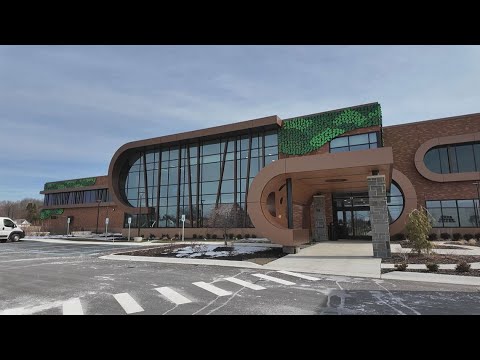
The newly opened Pine Rest Pediatric Center of Behavioral Health is intended to address some of these challenges.
The center includes:
- 66 inpatient beds
- Michigan’s first pediatric psychiatric urgent care center
- Multidisciplinary services including psychiatry, therapy, and rehabilitation
- Programs for eating disorders and substance use
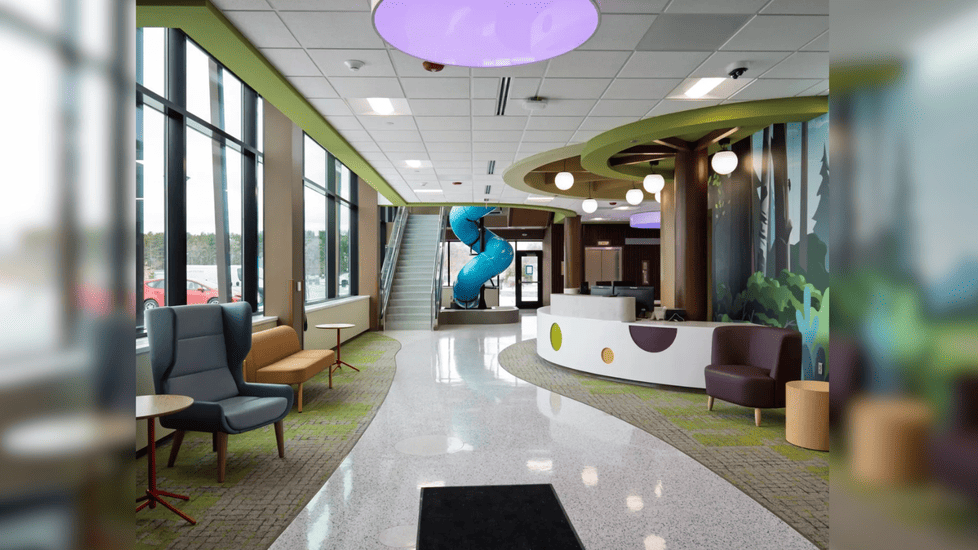
- Sensory rooms and therapeutic spaces designed specifically for children
Unlike traditional care pathways, families can bring children in without an appointment, allowing for earlier evaluation and intervention before a situation escalates.
Reducing ER Boarding—A Major Pain Point for Nurses
One of the primary goals of the facility is to reduce pediatric mental health patients boarding in emergency departments.
For nurses, this remains a well-documented challenge.
Children in crisis are often held in ER rooms for extended periods—sometimes without access to specialized psychiatric care—while waiting for placement.
This urgent care model is designed to:
- Provide immediate psychiatric evaluation
- Initiate or adjust medications
- Stabilize patients earlier
- Divert cases away from overcrowded emergency departments
What This Means for Psychiatric Nurses
For psychiatric nurses, the model offers a care environment designed specifically for mental health—not adapted from general medical spaces.
Pine Health Christian Mental Health Services
"This helps us care for kids in an environment that is safe, secure, and healing."

The facility includes calming spaces, sensory rooms, and therapeutic layouts intended to support patient stabilization and recovery.
For nurses, this could mean:
- More appropriate care environments
- Improved safety for patients and staff
- Greater ability to focus on psychiatric care—not just crisis containment
- Increased interdisciplinary collaboration
A System-Level Shift—But Not a Full Solution
While the new center represents progress, it also reflects a broader issue: demand for pediatric mental health services continues to exceed available resources.
“There just aren’t enough providers in the community to see kids soon enough,” said Kyle Hoffmaster, director of patient access.
Experts note that while psychiatric urgent care models are expanding, long-term outcomes and scalability are still being evaluated across different health systems.
Why This Model Matters Moving Forward
Backed in part by more than $50 million in state funding, the center reflects growing recognition from leaders including Gretchen Whitmer that youth mental health is a critical priority.
Facilities like this aim to:
- Intervene earlier
- Reduce crisis-level presentations
- Improve outcomes for children and families
- Ease the burden on emergency departments
For nurses, it may represent a shift toward care environments more aligned with the needs of pediatric mental health patients.
🤔Nurses, do you think this model could actually reduce ER boarding for Peds—and where do we fit into it? ? Share your thoughts below.
If you have a nursing news story that deserves to be heard, we want to amplify it to our massive community of millions of nurses! Get your story in front of Nurse.org Editors now - click here to fill out our quick submission form today!