




Serving Alcohol in Nursing Homes Without a License? Nurses Say It’s Not That Simple
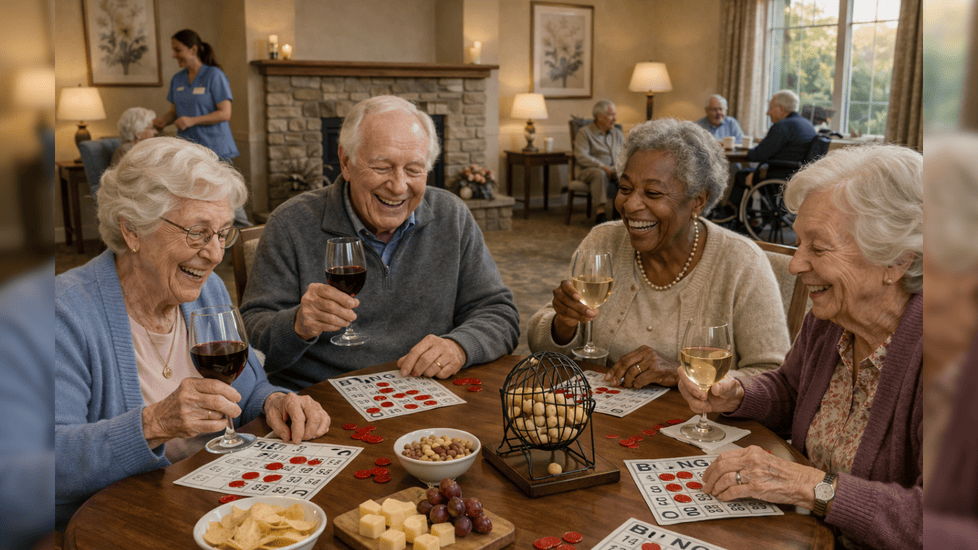
- A Minnesota bill would allow nursing homes and assisted living facilities to serve alcohol without a liquor license.
- The proposal aims to improve quality of life and autonomy for seniors.
- Nurses warn the change could introduce safety risks related to medications, falls, and cognition.
- Questions remain about who will be responsible for monitoring alcohol use and managing complications.
- Clear policies and role definitions will be critical if the bill passes.
An 88-year-old Minnesota resident helped spark a viral push for what many are calling a simple request: bring happy hour to senior living.
But while the “Grandparents’ Happy Hour” bill is gaining momentum, nurses are asking a different question—what happens behind the scenes when alcohol enters a healthcare setting?

A Viral Moment Sparks Legislative Action
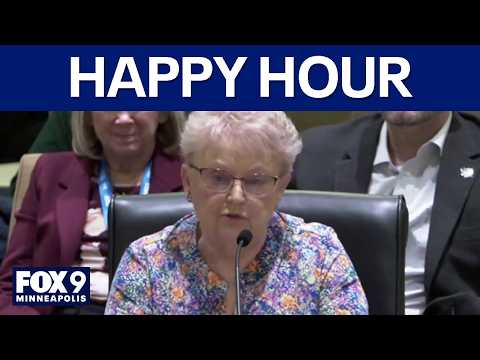
For Anita LeBrun, a resident at an assisted living facility in Champlin, Minnesota, happy hour isn’t about alcohol—it’s about connection.
“My friends and I love happy hour, just like many of you do,” she told lawmakers. “Over a shared drink, we get to reminisce… and celebrate the golden phase of our lives.”
Her testimony quickly went viral, helping propel a bill that would allow assisted living facilities and nursing homes to serve alcohol to residents without needing a liquor license.
Currently, Minnesota law requires facilities to obtain a license to organize events that include alcohol—something administrators say creates unnecessary barriers for simple social gatherings.
Supporters argue the bill is about restoring autonomy and improving quality of life for seniors who may no longer have easy access to outings or the ability to purchase alcohol independently.
@fox9mn A bill at the Minnesota Legislature would allow nursing homes and assisted living facilities to host happy hours without a liquor license. Anita LeBrun, who testified in favor of the bill, said she and her friends love happy hour, but don't want to risk slipping on the ice to buy a box of wine. Sen. John Hoffman, DFL-Champlin, is sponsoring the bill.
♬ original sound - FOX 9 | KMSP
What the Bill Would Change
If passed, the legislation would:
- Allow facilities to serve alcohol without a liquor license
- Require adherence to state alcohol safety laws
- Permit staff (18+) to serve drinks
- Prohibit over-serving and require safe conditions
The measure has already received bipartisan support and is now headed to the full House for consideration.
A Quality-of-Life Win—With Clinical Realities
At first glance, the idea seems simple—and even heartwarming.
But nurses working in long-term care know the reality is rarely that straightforward.
Residents in assisted living and nursing homes often have:
- Multiple chronic conditions
- Complex medication regimens
- Increased fall risk
- Cognitive impairments such as dementia
Introducing alcohol into that environment adds another layer of clinical consideration.
Balancing Autonomy With Safety
The question isn’t whether residents deserve autonomy—they do. The question is whether systems are being put in place to support that autonomy safely, or if nurses will once again be expected to carry that responsibility without clear guidance.
For residents like 88-year-old Anita LeBrun, the push for change is much simpler. Happy hour isn’t about alcohol—it’s about connection, routine, and having something to look forward to.
“We all get together, and there’s snacks. A lot of times we have talent—someone singing, playing piano or guitar—it’s just a happy time,” she shared.
Facility leaders, including executive director Abby Dahl, echo that sentiment, emphasizing that the goal is to remove unnecessary barriers to normal, social experiences.
For many residents, especially those without easy access to transportation, even something as simple as getting a drink requires relying on others.
“You’ve worked your whole life—raising kids, raising grandkids—and you just want to enjoy a few drinks with friends in the place you’re paying to live,” LeBrun said. “It would just be nice to have that here.”
What This Means for Nurses
While the bill is being framed around autonomy and social connection, nurses may be the ones managing the real-time consequences.
From monitoring for overconsumption to recognizing early signs of medication interactions or behavioral changes, the responsibility doesn’t typically fall on policymakers—it falls on the bedside nurse.
In many facilities, nurses are already balancing high patient loads, regulatory requirements, and safety concerns. Adding alcohol into the mix could create new gray areas in care.
Safety, Scope, and Responsibility
One of the biggest unanswered questions is: who is ultimately responsible?
- Who determines if a resident is safe to drink?
- Who monitors intake?
- Who intervenes if a resident becomes impaired?
- What happens if a fall or adverse event occurs afterward?
These are not hypothetical concerns.
Alcohol can interact with common medications such as:
- Blood thinners
- Sedatives
- Antidepressants
- Diabetes medications
Even small amounts can increase the risk of dizziness, confusion, and falls—especially in older adults.
Not All Facilities—or Residents—Are the Same
Another layer of complexity is the wide variation between facilities.
Some assisted living residents are largely independent. Others require significant daily care. Nursing home populations often include medically fragile individuals with limited mobility or cognitive decline.
A one-size-fits-all policy may not reflect the realities of each setting.
What Happens Next
The bill is now headed to the full Minnesota House, where lawmakers will decide whether to move it forward.
If passed, facilities across the state may soon be raising a glass with their residents.
For nurses, however, the focus remains on something less visible—but far more important:
Making sure that behind every happy hour is a system that protects both patient safety and nursing practice.
🤔Nurses, Do you think nurses should be involved in monitoring alcohol use in nursing homes—or is this crossing into a gray area? Share your thoughts below.
If you have a nursing news story that deserves to be heard, we want to amplify it to our massive community of millions of nurses! Get your story in front of Nurse.org Editors now - click here to fill out our quick submission form today!