



Feds Say Chicago Nurse Sold Fake Ozempic: What Nurses Need to Know
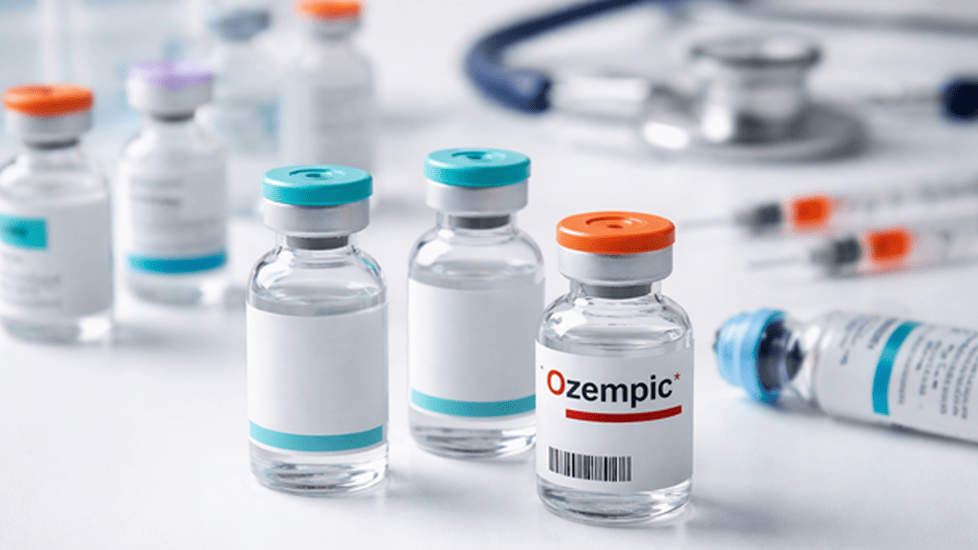
- A Chicago nurse is accused of selling counterfeit Ozempic to three patients in 2023, despite not being licensed to prescribe or dispense it.
- Federal prosecutors filed four misdemeanor counts tied to misbranded and counterfeit drugs, with up to one year in prison per count.
- The case highlights the risks of side work involving popular medications and the importance of staying within scope and verifying drug sources.
A former Chicago-area nurse is facing federal charges for allegedly providing counterfeit weight-loss medication to multiple people — a case that illustrates the serious legal and professional consequences nurses can face when operating outside the bounds of authorized medical practice.
According to a criminal information filed in the U.S. District Court for the Northern District of Illinois, Sharon Christine Sackman, 52, currently residing in Playa del Carmen, Mexico, is accused of distributing and dispensing drugs labeled as Ozempic® that were not genuine and did not contain the active ingredient semaglutide.

Federal Charges and Allegations
Prosecutors allege that Sackman distributed these drugs to three individuals in Chicago during 2023. The charging document, filed on December 5, 2025, outlines four counts:
- Count One: Sackman “caused the introduction into interstate commerce of drugs labeled as ‘Ozempic®,’ which were misbranded … because the drugs were not Ozempic® and did not contain semaglutide.” These drugs were also allegedly sold and dispensed without the valid prescription of a practitioner licensed by law to administer them.
- Counts Two through Four: On specific dates in October and December 2023, Sackman allegedly “sold and dispensed counterfeit drugs, namely, products labeled as ‘Ozempic®,’ but not manufactured by Novo Nordisk,” to three different victims.
The charges allege violations of Title 21 of the United States Code related to both misbranded and counterfeit drug distribution.
Regulatory Context
The charging document reiterates how the Federal Food, Drug, and Cosmetic (FD&C) Act defines key terms relevant to the case. It notes:
- A “drug” includes any article intended for treatment or prevention of disease in humans.
- A “prescription drug” is defined by the FD&C as unsafe for use without a practitioner’s supervision.
- A “counterfeit drug” is one whose container or labeling “without authorization, bears the trademark, trade name, or other identifying mark … and which thereby falsely purports or is represented to be the product of that drug manufacturer.”
The document further explains that although Sackman was a registered professional nurse, she “was not licensed by law to prescribe, administer, dispense, or sell Ozempic.”
Court Appearance and Potential Penalties
According to prosecutors, Sackman pleaded not guilty during her arraignment in federal court in Chicago. A status hearing is scheduled for February 3, 2026.
Each of the four counts carries a possible sentence of up to one year in federal prison.
The Justice Department emphasized that the charging document “is not evidence of guilt” and that the defendant is presumed innocent until proven guilty in a court of law.
Counterfeit Medications and Patient Safety
Federal agencies have repeatedly warned about growing problems with counterfeit prescription drugs, including medications that contain no active ingredient or are contaminated with substances like fentanyl or methamphetamine. The Drug Enforcement Administration notes that “drug trafficking organizations are now sending counterfeit pills made with fentanyl in bulk to the United States for distribution,” often packaged to look like legitimate prescriptions.
U.S. officials have also specifically cautioned that counterfeit pharmaceuticals are available in parts of Mexico, including “small, non-chain pharmacies in Mexico along the border and in tourist areas.” For nurses counseling patients who travel or seek lower-cost medications abroad, these alerts highlight the importance of reviewing safe sourcing, verifying pharmacies, and encouraging patients to discuss any non-U.S. medications with their prescribers and pharmacists.
Takeaways for Nurses
Nurses following Sackman’s case can use it as a prompt to review their own practices and institutional policies, including:
- Confirming that any involvement with medications—ordering, handling, administering, or educating—is clearly authorized under state scope of practice and facility policy.
- Avoiding any side business or informal arrangement that involves obtaining or injecting medications outside of licensed settings or without clear prescriber oversight.
- Educating patients on the risks of counterfeit or gray-market products, especially popular weight-loss and diabetes drugs, and encouraging them to use regulated pharmacies.
For nurses and other healthcare professionals, this case highlights critical boundaries in clinical and pharmaceutical practice. Dispensing or labeling prescription drugs without appropriate legal authority — especially drugs that are misbranded or counterfeit — can lead to federal criminal charges, even if the individual holds a professional license.
Staying informed about drug safety, regulations, and legal practice boundaries is essential in protecting both patients and your career.
🤔Nurses, share your thoughts below.
If you have a nursing news story that deserves to be heard, we want to amplify it to our massive community of millions of nurses! Get your story in front of Nurse.org Editors now - click here to fill out our quick submission form today!