




New Utah Bill Advances Hospital Assault Reporting Requirements: What Nurses Need to Know
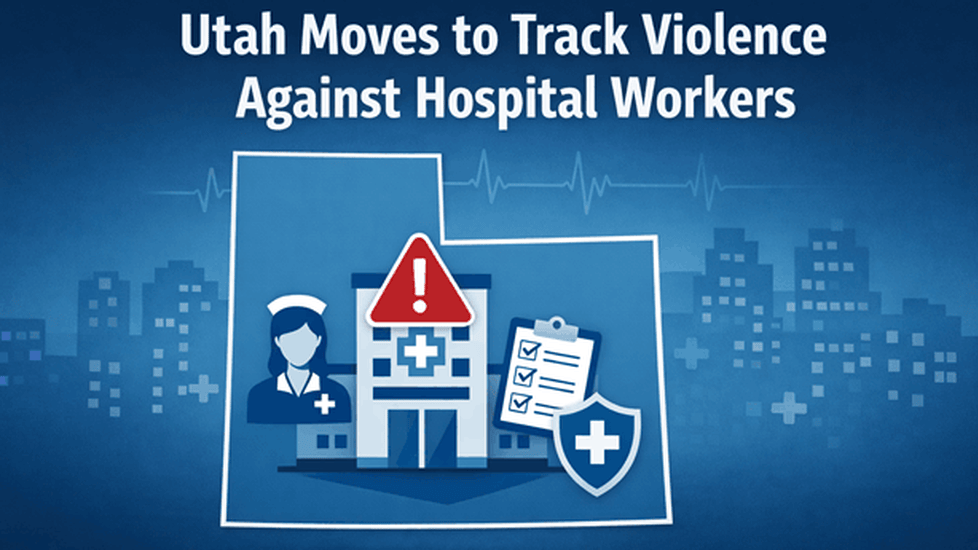
- Utah HB 380 mandates hospitals implement formal reporting systems for workplace violence by November 2026, including incident details and data sharing with the state.
- Bipartisan push from nurse Rep. Katy Hall and physician Sen. Jen Plumb addresses surging assaults, with strong support from nursing groups and a near-unanimous House vote (68-1).
- Bill responds to 21,813 reported incidents in Utah healthcare from 2019-2022, aiming to uncover underreporting and guide prevention like de-escalation training.
Violence against healthcare workers has surged nationwide in recent years, and Utah lawmakers are taking steps to better track the problem. A new bill moving through the state legislature would require hospitals to formally document and report incidents of workplace violence—an effort supporters say could help policymakers better understand and address threats faced by nurses and other healthcare staff.
The proposal, H.B. 380: Hospital Workplace Violence Reporting Requirements, would mandate standardized reporting systems in hospitals across Utah. The bipartisan measure is sponsored by Rep. Katy Hall, RN (R) and Sen. Jen Plumb, MD (D), both healthcare professionals who say the legislation is a response to growing concerns from nurses about workplace safety.

What the Utah Bill Would Do
If enacted, the legislation would require hospitals to create formal systems to document workplace violence incidents by November 1, 2026. Under the bill, hospitals would need to:
- Record all incidents of workplace violence reported by employees
- Protect workers from retaliation for reporting incidents
- Track details such as the time, description, and type of perpetrator involved
- Maintain incident records for at least two years
- Analyze the data and share reports internally with leadership and annually with the state health department
Facilities would also have to use the data to improve prevention strategies, including de-escalation training, risk identification, and violence prevention planning.
Supporters say the goal is simple: make the scope of hospital violence clearer so the state can respond more effectively.
“This bill was brought to me by some nurses who are worried about the hospital workplace violence that we've seen kind of ramp up over the last few years,” Hall told lawmakers while presenting the legislation.
Why Lawmakers Say It’s Needed
Healthcare workers already face some of the highest rates of workplace violence in the U.S., and Utah is not immune.
According to testimony during committee hearings, 21,813 workplace-violence events were reported in Utah healthcare settings between 2019 and 2022, though experts say many incidents go unreported.
The problem ranges from verbal abuse to physical assault. In recent years, Utah hospital workers have reported bomb threats, harassment, and physical attacks, mirroring national trends that escalated during and after the COVID-19 pandemic.
Supporters believe consistent statewide reporting could reveal patterns—such as where violence occurs most frequently or which interventions are most effective.
Who Supports the Bill
The legislation has drawn bipartisan support and strong backing from healthcare organizations and nursing advocates.
During committee hearings, representatives from the Utah Nurses Association and the Utah Hospital Association testified in favor of the measure. Advocates say standardized reporting would highlight the true scale of the problem and help guide prevention efforts.
The bill has moved quickly through the legislature, passing the Utah House 68–1 and the Senate with strong support.
Concerns and Debate
While most lawmakers support improved reporting, some raised questions about related provisions involving criminal penalties for assaulting healthcare workers.
Earlier versions of the bill proposed extending a law that enhances penalties for crimes against healthcare employees until 2032. During Senate debate, lawmakers amended the bill to restore the earlier sunset date after some expressed concern about creating unequal penalties for different victims.
Still, senators emphasized that the core goal—better tracking and prevention of violence—remained widely supported.
Sen. Plumb told colleagues the legislation is necessary because “recording workplace violence that's happening in our health care settings” is a critical step toward addressing it.
What Nurses Are Saying
Many nurses say the legislation is long overdue.
On Reddit's r/nursing forum, one user noted, "The charges against assaults on healthcare employees should be that specific and enforced/prosecuted with greater severity than a typical assault. We are in extremely vulnerable positions with very little protection."
Another commented on cultural barriers: "IMO it’s because nurses don’t have the ego of cops and nurses are primarily women which are summarily dismissed in our male centric society. It’s a case of do your job and stop complaining about your working conditions. I’ve even heard men say things like ‘I thought you wanted equality and equal pay’ when female nurses complain about working conditions and health risks.”
These sentiments align with HB 380's push for accountability and prevention.
Some nurses say formal reporting systems could help shift hospital culture and hope the data will push hospitals and lawmakers to invest in stronger safety measures such as improved staffing, security, and training.
What Happens Next
If the bill becomes law, hospitals statewide would need to implement violence-reporting systems and begin sharing data with the state. Supporters say that information could help evaluate whether Utah’s existing penalties for assaulting healthcare workers are working—or whether additional protections are needed.
For nurses and other hospital staff, the legislation represents a step toward acknowledging a growing problem in healthcare workplaces.
And for many frontline clinicians, simply documenting the violence they face is an important starting point.
🤔Nurses, what do you think about this bill? Share your thoughts below.
If you have a nursing news story that deserves to be heard, we want to amplify it to our massive community of millions of nurses! Get your story in front of Nurse.org Editors now - click here to fill out our quick submission form today!