




Court Revives Lawsuit in Prison Nurse Murder Case
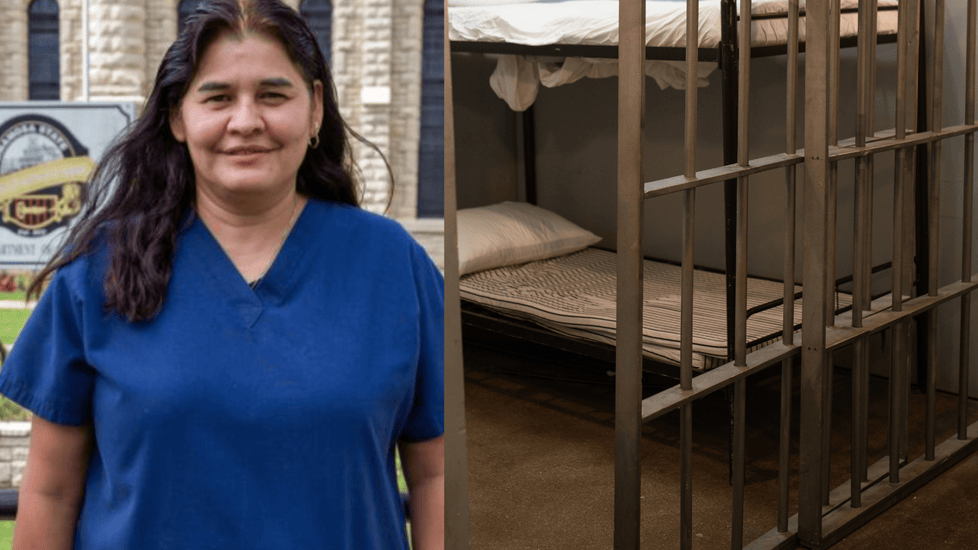
- The Iowa Court of Appeals has partially revived a lawsuit of Lorena Schulte, a nurse murdered by inmates.
- Lorena's mother's individual claims—wrongful death, loss of consortium, and emotional distress—can now proceed.
- Previous dismissals were overturned based on statute of limitations and administrative remedy requirements.
The Iowa Court of Appeals has allowed the revival of a lawsuit appeal by Stephanie Schulte, mother of nurse Lorena Schulte, who was tragically murdered by two inmates attempting a 2021 prison escape at Anamosa State Penitentiary.

The initial lawsuit was closed, but the new ruling allows the case to be reopened, with the case proceeding through Schulte as an individual claim. Schulte's individual claims for wrongful death, loss of consortium, and emotional distress are allowed to proceed to the district court, though estate-related claims remain dismissed. Schulte is suing the state of Iowa and individual workers of the Penitentiary.
This decision marks a significant development in a case that has drawn attention to workplace safety issues for healthcare professionals in correctional settings.
Safety Concerns in Correctional Nursing
Lorena Schulte, 50, was killed alongside correctional officer Robert McFarland, 46, on March 23, 2021, when inmates Michael Dutcher and Thomas Woodard Jr. launched a violent escape attempt.
The inmates attacked Schulte and McFarland with hammers and a metal grinder, tools they had accessed from the prison’s maintenance area. Both inmates later pleaded guilty to first-degree murder and were sentenced to life in prison without parole.
Stephanie Schulte’s new lawsuit alleges systemic failures within the Iowa Department of Corrections that contributed to the deadly incident. Court documents reveal significant issues that included allegations of:
- Chronically understaffed and overcrowded at Anamosa State Penitentiary, housing over 950 inmates despite a capacity limit of 911.
- Inadequate screening and security procedures
- Allowing violent inmates to access maintenance tools, which were then used as deadly weapons
These failures, the lawsuit argues, created an unsafe environment for both staff and inmates.

The Journey of the Lawsuit
The legal journey for Stephanie Schulte has been challenging. Her initial lawsuit was dismissed due to issues related to the closure of Lorena Schulte’s estate. A refiled suit was later dismissed in October 2024 for failing to exhaust administrative remedies and missing statute of limitations deadlines.
However, the Iowa Court of Appeals determined that Schulte’s filings provided sufficient notice to the state, allowing her individual claims to move forward. This ruling has given her a renewed opportunity to seek justice for her daughter’s death.
A Deeper Look at What the Lawsuit Means
For nurses working in correctional facilities, this case serves as a reminder of the critical safety concerns inherent in their roles. According to the National Institute for Occupational Safety and Health (NIOSH), healthcare workers face significant risks of workplace violence, with those in correctional settings at particularly high risk.
A 2025 study in the Journal of Forensic Nursing called the conditions for correctional nurses "unsafe and unsettling," highlighting the urgent need for improved safety measures in these environments.
The aftermath of the Anamosa State Penitentiary incident has prompted some changes, though questions remain about their sufficiency. Following the murders, the century-old facility was converted to medium-security only, a move intended to reduce the risks associated with housing high-risk inmates in an outdated facility.
A state review of the incident identified numerous security and policy lapses, though many details of the review remain confidential. Advocates for prison reform and workplace safety have called for greater transparency and accountability to ensure that similar tragedies do not occur in the future.
What the Case Means for Nurses
The systemic issues highlighted in the lawsuit are not unique to Anamosa State Penitentiary. Across the United States, correctional facilities often struggle with understaffing, overcrowding, and inadequate resources, creating dangerous conditions for both staff and inmates.
For nurses, who are tasked with providing care in these challenging environments, the risks are compounded by the dual responsibilities of healthcare and security. Advocates argue that addressing these systemic issues is essential not only for the safety of staff but also for the effective functioning of the correctional system as a whole.
The case has also drawn attention to the emotional toll that such incidents take on the families of victims. Stephanie Schulte’s claims for emotional distress and loss of consortium reflect the profound impact of her daughter’s death on her family.
Lawsuit advocates argue that these claims, if successful, could set a precedent for how courts address the emotional and psychological consequences of workplace violence in high-risk settings like correctional facilities.
As the case returns to the district court, nursing advocates and workplace safety experts are watching closely. They hope that the lawsuit will prompt correctional facilities across the country to take a hard look at their safety protocols, staffing levels, and security measures. The goal, they say, is to ensure that healthcare professionals working in these environments are better protected from the kinds of alleged institutional failures that led to the deaths of Lorena Schulte and Robert McFarland.
The tragic events at Anamosa State Penitentiary have left a lasting community impact, sparking vital conversations on correctional healthcare safety. As Stephanie Schulte fights for justice, her case powerfully reminds us of the urgent need for systemic change to protect nurses dedicating their lives to care in high-risk environments.
🤔Nurses, what do you think of the lawsuit? Share your thoughts below.
If you have a nursing news story that deserves to be heard, we want to amplify it to our massive community of millions of nurses! Get your story in front of Nurse.org Editors now - click here to fill out our quick submission form today!