




Oregon Nurses Secure 7.5% Wage Increase and Pay Equity in New Contract
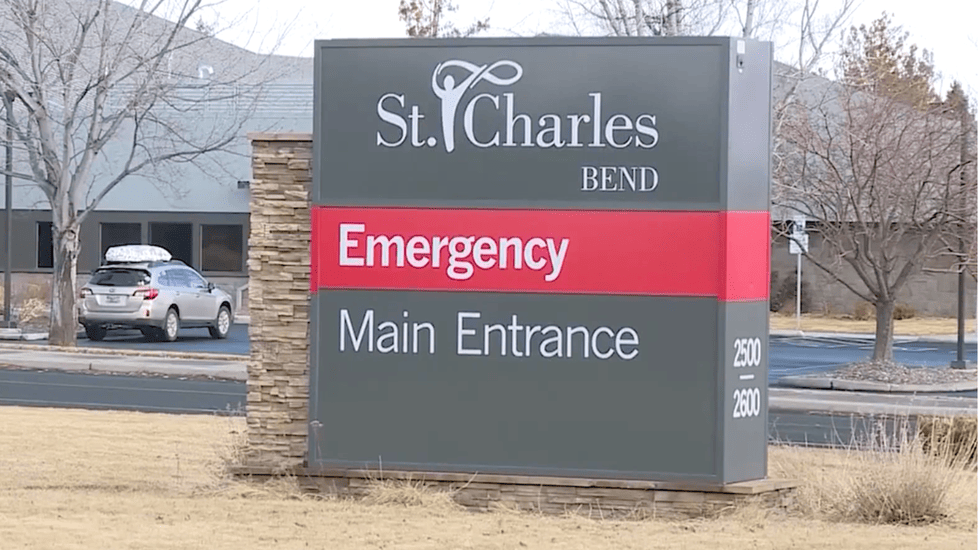
- On February 19, 2026, over 1,200 registered nurses represented by the Oregon Nurses Association (ONA) overwhelmingly ratified a two-and-a-half-year contract extension that runs through June 30, 2029.
- The contract provides a 7.5% total wage increase distributed over 30 months.
- Additionally, the contract establishes pay equity by aligning nurse case managers and transfer center staff (PLRN/TCRNs) with the standard nursing salary scale.
More than 1,200 registered nurses at St. Charles Bend in Oregon have ratified a two-and-a-half-year contract extension that delivers a 7.5% wage increase over 30 months, signaling a new chapter in nurse-management collaboration at the region's only Level II trauma center.
The deal, finalized on February 19, 2026, runs through June 2029 and aims to address both pay and long-term workforce stability.

More Than Just a Raise
The 7.5% wage increase, while significant, represents only part of the contract's value to nurses. The agreement establishes pay equity for nurse case managers and transfer center staff, known as PLRN/TCRNs, placing them on the same salary scale as their nursing colleagues. This correction addresses a longstanding disparity that affected specialized nursing roles, ensuring that compensation reflects the complexity and demands of these positions.
While the contract does include a wage increase, a central piece is that it also builds upon a 2023 agreement that tackled rising costs, recruitment difficulties, and the need to rebuild trust between staff and management.
According to reports from the Oregon Nurses Association and local news coverage, the new deal represents more than just salary adjustments: it establishes structural changes that position nurses as strategic partners in hospital operations.
Rosa Brock, a registered nurse and ONA executive team chair at St. Charles Bend, emphasized this shift in her statement following ratification. "This agreement shows what's possible when nurses are treated as strategic partners," Brock said, according to reports from the Bend Source.
Brock credited improved staffing levels from previous agreements with allowing caregivers to focus more directly on individual patient needs rather than constantly managing resource shortages.
Increased Stability
David Hilderbrand, a registered nurse and ONA vice-chair at St. Charles Bend, connected the contract to addressing broader community concerns that reinforced the hospital's position as a community staple.
"A lot of our neighbors are struggling. Housing costs are up, the tourist industry is hurting, and people are having trouble getting access to basic health care," Hilderbrand said in statements reported by KTVZ.
"This contract stabilizes our community's safety net," he added. "Your nurses aren't going anywhere."
His comments reflect the reality that St. Charles Bend operates in an economically challenging environment where high housing costs and economic uncertainty threaten healthcare workforce retention. As the only Level II trauma center east of the Cascades, the facility serves patients across Central Oregon, Eastern Oregon, and parts of Washington, making workforce stability a matter of regional public health.
What the Contract Means for Nurses
The contract introduces a labor-management committee specifically designed to address health and safety concerns between formal bargaining sessions. The Oregon Nurses Association (ONA) notes that nurses plan to continue to work with management to address any problems that may crop up.
The ONA represents nurses not only at St. Charles Bend but also at facilities in Prineville and Redmond, as well as staff providing home health and hospice services. This broader representation creates consistency in working conditions across the St. Charles health system while allowing each facility to address site-specific concerns.

The contract's extension through mid-2029 provides several years of predictability for both nurses and hospital leadership. In an era when healthcare facilities nationwide struggle with staffing shortages and turnover, this stability represents a competitive advantage for St. Charles Bend in recruiting and retaining qualified nurses.
As healthcare systems nationwide grapple with workforce challenges, the St. Charles Bend agreement offers a model for collaborative labor relations that addresses both immediate compensation needs and the structural issues that affect long-term retention.
🤔Nurses, what do you think about this contract? Share your thoughts in the comments below!
If you have a nursing news story that deserves to be heard, we want to amplify it to our massive community of millions of nurses! Get your story in front of Nurse.org Editors now - click here to fill out our quick submission form today!