




FDA Approves Gene Therapy for Sickle Cell Disease
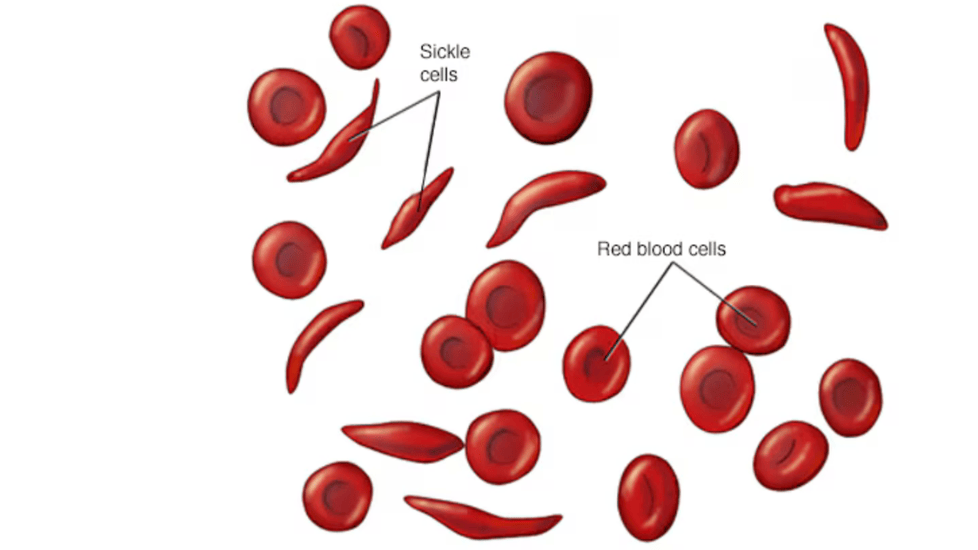
- Sickle cell disease affects more than 100,000 people in the U.S. - primarily Black individuals.
- The FDA approved Casgevy and Lyfgenia for the treatment of sickle cell disease in patients 12 years and older.
- Casgevy and Lyfgenia are gene-modifying treatments in which a patient’s own blood stem cells are altered and reintroduced to enable production of healthier hemoglobin and prevent red blood cells from sickling.
Sickle cell disease affects more than 100,000 people in the United States and 8 million people worldwide, with 1 in 13 Black babies born with the sickle cell trait. Until now, there was only one curative treatment option - a bone marrow transplant. Most healthcare professionals helped manage symptoms and prevent major complications.

The U.S. Food and Drug Administration (FDA) approved two treatments, Casgevy and Lyfgenia, representing the first cell-based gene therapies for the treatment of sickle cell disease (SCD) in patients 12 years and older.
“Sickle cell disease is a rare, debilitating and life-threatening blood disorder with significant unmet need, and we are excited to advance the field especially for individuals whose lives have been severely disrupted by the disease by approving two cell-based gene therapies today,” said Nicole Verdun, M.D., director of the Office of Therapeutic Products within the FDA’s Center for Biologics Evaluation and Research. “Gene therapy holds the promise of delivering more targeted and effective treatments, especially for individuals with rare diseases where the current treatment options are limited.”
Gene therapies are viewed as groundbreaking within the medical community.
Casgevy and Lyfgenia
Casgevy is approved for patients 12 years of age and older with recurrent vaso-occlusive crises.
Vaso‑occlusive crises are primarily a clinical diagnosis but are often accompanied by an acute drop in hemoglobin, increased platelet and reticulocyte counts, and lab evidence of kidney stress or hemolysis:
- Acute drop in hemoglobin concentration
- Increased platelet count
- Increased reticulocyte count
- Elevated serum urea
Casgevy utilizes CRISPR/Cas9, a type of genome editing technology. CRISPR/Cas9 cuts DNA in targeted areas, enabling the ability to accurately edit (remove, add, or replace) DNA where it was cut. The modified cells are sent back to the patient to attach and multiply. They increase the production of fetal hemoglobin, a type of hemoglobin that facilitates oxygen delivery. This increases levels of fetal hemoglobin to prevent the sickling of red blood cells.
Lyfgenia uses a lentiviral vector (gene delivery vehicle) for gene modification for patients with sickle cell disease and a history of vaso-occlusive events. Lyfgenia works by producing HbA, a gene-therapy-derived hemoglobin that functions similarly to hemoglobin A. This is “normal” hemoglobin produced by those without sickle cell. HbA-containing red blood cells have a lower risk of sickling and occluding blood flow.
How it Works
Casgevy and Lyfgenia work on a patient’s own blood stem cells, which are then modified. The blood is given back to the patient as a one-time, single-dose infusion as part of a hematopoietic (blood) stem cell transplant.
The medications do require a patient to undergo myeloablative conditioning (high-dose chemotherapy). This allows the modified cells to be introduced to the body.
“These approvals represent an important medical advance with the use of innovative cell-based gene therapies to target potentially devastating diseases and improve public health,” said Peter Marks, M.D., Ph.D., director of the FDA’s Center for Biologics Evaluation and Research.
What is Sickle Cell Disease?
Sickle cell disease is a group of inherited blood disorders that affect the shape and oxygen-carrying capacity of red blood cells. In a healthy individual, red blood cells are round and move easily throughout the body. Individuals with SCD have C-shaped red blood cells that are “hard and sticky”.
A lifelong disease, SCD is usually treated through preventive screening and treatment strategies. However, treatment is not a cure but rather reduces symptoms and increases life expectancy. Major complications include:
- Chronic pain
- Lung problems
- Infections
- Kidney disease
- Eye problems
- Stroke
“Sickle cell disease impacts every organ. Children are having strokes, and young adults—people in their 30s—are experiencing kidney failure—all because of sickle cell disease. If we can intervene and prevent these complications and let these patients live full lives, that is huge,” says Cece Calhoun, MD, MBA, a Yale Medicine hematologist-oncologist.
What’s Next?
Casgevy and Lyfgenia are being hailed as miracle drugs for sickle cell, but they aren’t without challenges and barriers. The gene therapies are extremely time-intensive and very expensive. The process takes about a year to complete, and patients can still suffer from sickle cell complications during this time.
Currently, treatments are only offered at large healthcare facilities due to the potential complications and resources required. The cost is estimated at $2 to $3 million per patient. Because the treatment is new, it is unclear if insurance companies will cover the costs.
🤔Nurses, share your thoughts below.
If you have a nursing news story that deserves to be heard, we want to amplify it to our massive community of millions of nurses! Get your story in front of Nurse.org Editors now - click here to fill out our quick submission form today!