



School Nurse and Coach Save 14-Year-Old After Cardiac Arrest at Basketball Game
- Rapid recognition and response by trained staff can be lifesaving during sudden cardiac arrest in school settings.
- Accessible AEDs and regular CPR training significantly improve emergency outcomes for students and staff.
- School nurses play a critical role in emergency preparedness, even outside traditional clinical environments.
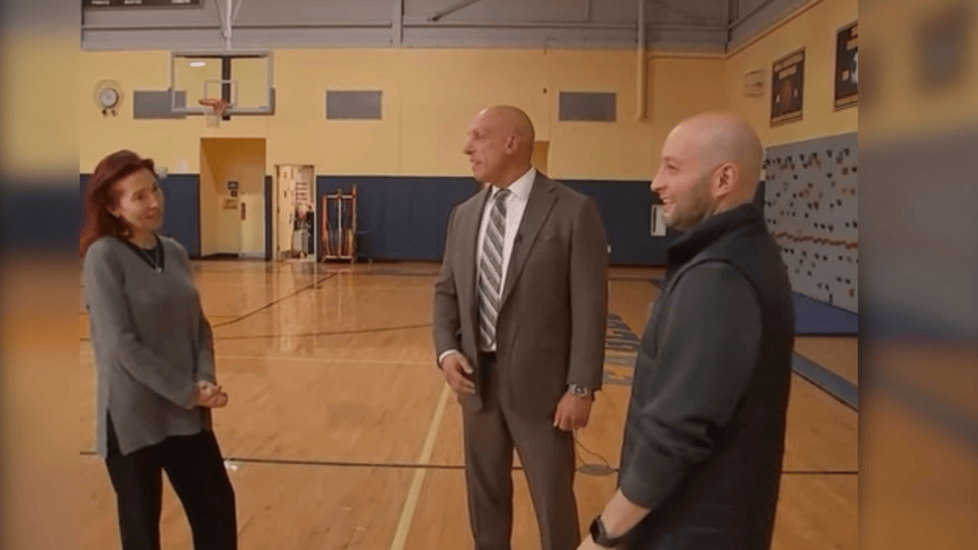
On January 20, 2026, a basketball game at Northvale Public School in New Jersey was interrupted when a 14-year-old student collapsed on the court. A rapid response by school nurse Joan Bohan and basketball coach Mike Schulman led to immediate lifesaving care and a positive outcome.
Bohan, who was attending the game as a spectator, quickly recognized that the situation was serious. According to reports, she noticed the student was unresponsive and ran from the stands to assist. Upon assessment, the student was unconscious and had no pulse, indicating cardiac arrest.
Coach Schulman joined Bohan on the court, and the two began emergency response measures while an automated external defibrillator (AED) was retrieved.

CPR, AED Use, and Coordinated Response
Bohan and Schulman initiated cardiopulmonary resuscitation and applied the school’s AED. After defibrillation and continued resuscitation efforts, the student regained consciousness.
According to reports, the student’s father was also present during the emergency and assisted while lifesaving care was being provided.
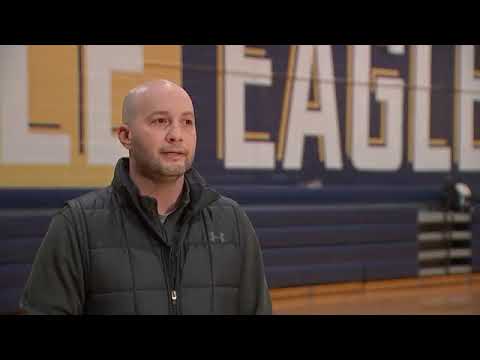
According to Schulman, this was the first cardiac emergency he had encountered during his coaching career. He told local media that prior training helped guide their response during the incident.
The student was transported for medical evaluation and has since been reported to be recovering well.
Importance of AED Access and Training in Schools
Early intervention with CPR and AED use is critical in cases of sudden cardiac arrest.
The American Heart Association notes that prompt CPR and defibrillation are associated with improved survival outcomes, particularly when care is provided within the first few minutes of collapse.
Schools that maintain accessible AEDs and provide regular emergency response training for staff are better equipped to manage medical emergencies involving students, staff, or spectators.
Student Recovery and School Follow-Up
Northvale Superintendent Michael Pinajian confirmed that the school district has remained in contact with the student’s family. According to reports, the student is recovering and looking forward to returning to school.
The incident has renewed attention on emergency preparedness in school settings, particularly during athletic events where physical exertion and large gatherings may increase risk.
Why This Matters for Nurses and School Staff
While medical emergencies in schools are relatively uncommon, this incident highlights the essential role school nurses play in emergency response. Nurses are often the first clinical professionals available when unexpected medical events occur, even outside routine school hours.
For nurses, this situation reinforces the importance of maintaining emergency response skills, staying familiar with AED locations, and collaborating effectively with non-clinical staff. For schools, it underscores the value of ongoing training, clear protocols, and accessible lifesaving equipment, ensuring staff are prepared to act quickly when seconds matter.
🤔Nurses, share your thoughts about this below.
If you have a nursing news story that deserves to be heard, we want to amplify it to our massive community of millions of nurses! Get your story in front of Nurse.org Editors now - click here to fill out our quick submission form today!