




FDA Approves Wearable “Electric Field” Device for Pancreatic Cancer
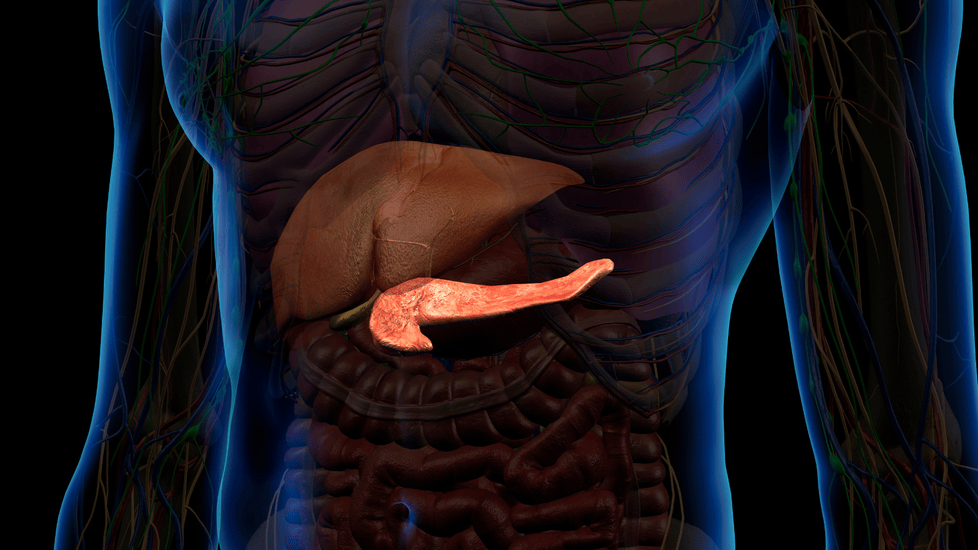
Patients with locally advanced pancreatic cancer have a new treatment option. The FDA recently approved Optune Pax, a wearable device that delivers tumor-treating fields (TTFields) to disrupt cancer cell division while sparing healthy tissue. The first new device‑based systemic treatment modality and one of the first meaningful advances for locally advanced pancreatic cancer in many years.

This approval represents a significant development in pancreatic cancer care, a disease known for limited treatment options and poor survival rates. According to the American Cancer Society, pancreatic cancer has a:
- Five-year survival rate of just 12%
- Approximately 64,050 new cases are iagnosed in the United States annually
How It Works
Optune Pax works by delivering low-intensity alternating electric fields through adhesive patches placed on the patient's abdomen. These fields interfere with cancer cell division by disrupting the alignment of electrically charged molecules essential for cell replication. The device, developed by Novocure, is housed in a portable bag, allowing patients to receive continuous treatment while maintaining daily activities.
The FDA's approval was based on the Phase 3 PANOVA-3 clinical trial, which included:
- 571 patients with newly diagnosed, locally advanced pancreatic cancer.
- When combined with standard chemotherapy (gemcitabine and nab-paclitaxel), TTFields demonstrated a statistically significant improvement in overall survival compared to chemotherapy alone—16.2 months versus 14.2 months.
Beyond survival benefits, the trial showed that patients receiving the combination therapy experienced a longer time to pain progression without additional systemic side effects typically associated with cancer treatments. The most common adverse events related to the device were mild to moderate skin irritation where the arrays were placed.
For nurses caring for pancreatic cancer patients, this approval brings new considerations for patient education and care management. Patients using Optune Pax will need instruction on proper application of the adhesive arrays, management of the device during daily activities, and monitoring for skin reactions. The device requires at least 18 hours of daily use for optimal effectiveness, creating new challenges and opportunities for supporting treatment adherence.
FDA Breakthrough Designation
The device received FDA breakthrough designation in December 2024, which expedited its review process. It was approved through the FDA's premarket approval (PMA) pathway, the agency's most rigorous review process for medical devices, ensuring its safety and effectiveness.
For patients with locally advanced pancreatic cancer, Optune Pax offers a novel approach that complements existing treatments without adding systemic toxicity. The approval demonstrates the evolving landscape of cancer care, where innovative technologies are increasingly playing a role alongside traditional treatments.
As nurses continue to provide comprehensive care for patients with pancreatic cancer, understanding this new treatment modality and its impact on patients' daily lives will be essential for supporting optimal outcomes and quality of life.
🤔Nurses, share your thoughts below.
If you have a nursing news story that deserves to be heard, we want to amplify it to our massive community of millions of nurses! Get your story in front of Nurse.org Editors now - click here to fill out our quick submission form today!