




New York Governor Declares Disaster Emergency as Nurses Walk Out
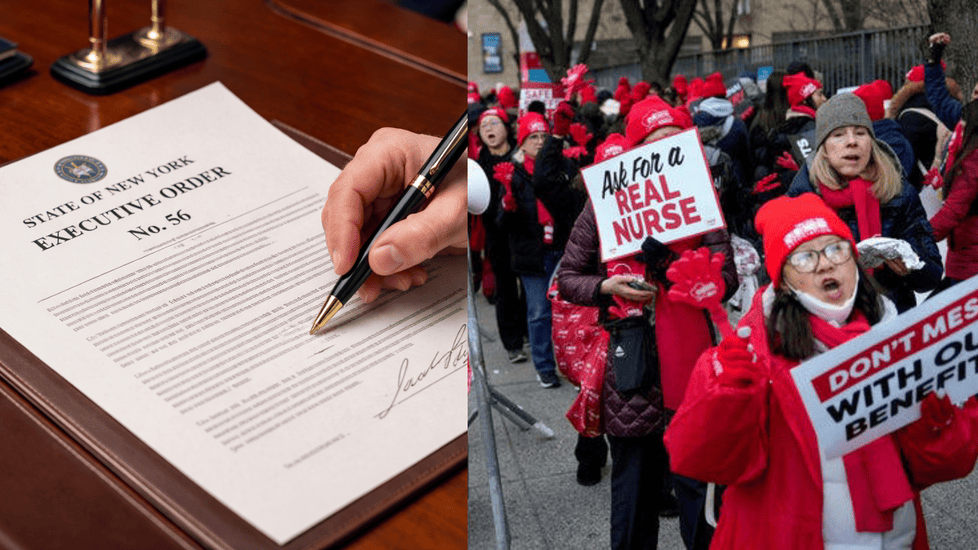
- Executive Order 56 signals a serious healthcare staffing crisis in New York. The disaster declaration allows out-of-state clinicians to work and gives hospitals more flexibility to keep units open.
- The nurse strike and emergency order are happening at the same time for a reason. Nurses are demanding safer staffing while the state is activating emergency powers to maintain care.
- Working during this period brings both opportunity and risk. Higher pay and faster hiring can come with increased stress, floating, and safety concerns.
- Nurses need to protect their licenses and safety right now. Clear contracts, picket line awareness, and documenting concerns are more important than ever.
As New York nurses walk out in protest over unsafe staffing, a new state emergency order underscores just how deep the healthcare staffing crisis has become. On January 9, 2026, Governor Kathy Hochul issued Executive Order No. 56, declaring a state disaster emergency in Bronx, Nassau, and New York Counties, as well as neighboring counties, due to severe healthcare staffing shortages.
The order came as major contract disputes escalated across multiple New York hospitals. The New York State Nurses Association (NYSNA) had already delivered 10-day strike notices at a dozen private-sector hospitals, warning that a walkout could begin January 12, 2026, if agreements were not reached.
By January 12, reports indicated that thousands of nurses began striking at major NYC hospitals.

@pix11ny Mayor Zohran Mamdani promised he will not "abandon" the 15,000 New York City nurses demanding better pay and health benefits. Learn more at the link in our bio.
♬ original sound - PIX11 News
Understanding Executive Order No. 56
At a high level, Executive Order 56 gives the state more flexibility to keep hospitals staffed during a shortage. Specifically, it temporarily suspends certain licensing and practice restrictions so that clinicians who are licensed and in good standing elsewhere can work in New York without penalties related to lack of NY licensure, as approved by the Department of Health.
The order includes pathways for:
- Registered nurses, LPNs, and nurse practitioners licensed in other U.S. states (other jurisdictions approved by the Department of Health ) to practice in NY
- Physicians and physician assistants under similar “good standing” provisions
New York also posted a modifying order (56.1) related to the same emergency declaration, extending it through February 8, 2026, with the option for further extension if needed.
Why This Matters for Nurses Right Now
This executive order is not “about” the strike itself, but it directly affects the working environment created by staffing instability. During periods of threatened or active job action, hospitals may:
- bring in out-of-state clinicians (including travel/temporary staff),
- shift assignments, close beds, or adjust services,
- and change operational flow to maintain coverage.
At the same time, nurses and unions have been publicly framing their demands around safe staffing, workplace safety, benefits, and patient care protections.
What Nurses Are Saying Online
On social media, the themes are consistent: nurses are emphasizing safe staffing and patient safety, and sharing concerns about workload, safety, and retention during negotiations and potential walkouts.
Potential Pros
- More job availability and faster starts: Facilities may move quickly to fill schedules and open roles.
- Higher short-term earning potential: Crisis conditions can come with premium rates or extra shifts (varies by facility and contract).
- Clearer visibility of safety issues: These moments force staffing, violence prevention, and workflow problems into the open, which can drive policy change.
- Opportunity to advocate: Nurses often gain stronger leverage and public attention around safety priorities during high-profile labor moments.
Potential Cons
- Higher stress and volatility: Staffing changes can mean more floating, rapid reassignments, and inconsistent coverage.
- Patient safety concerns when teams are disrupted: Sudden workforce swaps can impact continuity and unit culture.
- Moral distress and burnout risk: Nurses may feel caught between “keeping the unit running” and feeling unheard on safety needs.
- Safety risks may increase: Crowded units, staffing gaps, and tension can create more conflict at the bedside, especially when systems are strained.
Practical Guidance for Nurses Considering Work During This Period
If you’re staff:
- Document concerns through your facility’s reporting channels.
- Know your chain of command and escalation process.
- Protect your license: if you’re asked to do something unsafe or outside scope, pause and clarify in writing.
If you are a travel or agency nurse
- Ask directly if the facility is affected by a strike, informational picket, or labor action
- Get contract language in writing for:
- Floating expectations
- Cancellation and guaranteed hours
- Unit assignment
- Security and safety support
- Set clear professional boundaries: You can support patient care without accepting unsafe conditions
General picket line and workplace safety
- Plan travel routes in advance and allow extra time for arrival
- Monitor official employer or agency communications for updates
- Proceed directly to your destination without stopping
- Do not engage in conversations, arguments, or gestures with picketers
- Avoid filming, recording, or posting on social media while crossing a picket line
- Use designated entrances and parking areas when available
- Report blocked access points or safety concerns to hospital management
- If you feel unsafe, leave the area and contact security or local law enforcement
- Report any incidents to your Human Resources department as soon as possible
A Nurse-to-Nurse Reality Check
Executive Order 56 makes one thing clear: New York’s healthcare system is reportedly under real strain. While state leaders move to keep hospitals running by expanding who can work at the bedside, nurses continue to speak out about the conditions that brought the system to this point. At its core, this moment is not just about contracts or temporary staffing fixes. It is about whether hospitals can provide safe, sustainable care for patients and the nurses who serve them. As negotiations continue and emergency measures remain in place, the decisions made now will shape not only this labor dispute, but the future of bedside nursing across New York.
🤔Nurses, share your thoughts below.
If you have a nursing news story that deserves to be heard, we want to amplify it to our massive community of millions of nurses! Get your story in front of Nurse.org Editors now - click here to fill out our quick submission form today!