




A Nurse Worked 17 Hours—What Happened When She Got Home Is Going Viral
- Shifts longer than 12 hours are associated with increased fatigue, which can impact reaction time, decision-making, and safety.
- Fatigue in healthcare can affect both nurse well-being and patient care, especially when sleep is limited or disrupted.
- There is no universal federal limit on nurse shift length in the United States, and extended hours can still occur due to staffing and operational demands.
A viral TikTok is putting a familiar issue back in the spotlight: how long is too long when it comes to shifts in health care?
Imagine scanning your hospital badge at your front door after 17 grueling hours. For nurses, this isn't funny—it's fatigue so deep it's become the job's hidden norm.

The moment that resonated
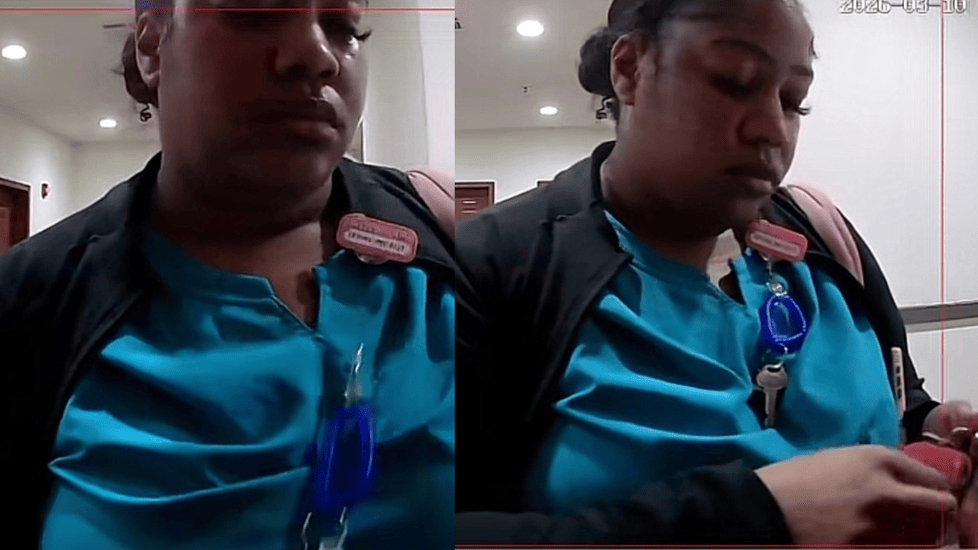
A nurse from Arkansas, Sydney (@_.ssydney), shared doorbell footage after completing a 17-hour shift.
In the clip, she approaches her front door visibly fatigued and repeatedly attempts to scan her hospital badge to unlock it instead of using her key. Her movements are slow, and she appears unaware of the mistake.
The video quickly gained traction with over 10 million views and 1.6 million likes, as healthcare workers in the comments recognized their own exhaustion—many sharing eerily similar post-shift stories.
- “Drove home on muscle memory and a prayer.”
- “Please tell me you had a day off after this shift.”
- “This shouldn’t be normal.”
- “Scanning into home is crazy.”
Others expressed concern about how common this level of exhaustion has become across the profession.
@_.ssydney All i can say is this is my last 17 hour shift for a while!!! 😐 #fyppppppppppppppppppppppp #fypシ゚viral #arkansascheck #healthcare #kids ♬ original sound - _.ssydney
Why this moment matters
While the clip may appear lighthearted at first, it likely reflects a broader concern about fatigue in healthcare settings.
Extended work hours have been associated with:
- Slower reaction times
- Impaired judgment
- Memory lapses
- Increased risk of workplace injuries and errors
- Higher likelihood of drowsy driving after shifts
Research published in Health Affairs has found that shifts longer than 12 hours are associated with increased rates of fatigue-related errors and occupational injuries.
Additionally, the Centers for Disease Control and Prevention reports that more than half of night-shift healthcare workers sleep six hours or less per day, below the recommended amount for optimal cognitive function.
Are there limits to how long nurses can work?
Unlike industries such as aviation or trucking, there is no universal federal limit on nurse shift length in the United States.
However:
- Many healthcare organizations set internal policies, often limiting shifts to 12–16 hours
- Some states have regulations addressing mandatory overtime
- The American Nurses Association advocates for limits on extended work hours and improved staffing practices
Despite these efforts, staffing shortages and operational demands can still result in longer shifts.
From one nurse to another
As a travel RN, I've lived these autopilot moments after 16-hour days—they're systemic fatigue's first warning signs, not weak work ethic.
We've all been there—it's the quiet fatigue that's standard issue. After years in bedside and travel nursing, these moments are common; they're often the first visible signs of deeper fatigue.
Across healthcare settings, long shifts, missed breaks, and extended hours are routinely reported. Over time, working under these conditions leads to physical and mental exhaustion. Burnout shows up as emotional exhaustion, decreased energy, and reduced work engagement, while fatigue impairs focus, decision-making, and well-being—especially after extended shifts.
From experience, this is where fatigue becomes concerning, often in subtle ways: going on autopilot, missing details, or struggling to reset after a shift. It's crucial to recognize this fatigue doesn't reflect poor dedication. Research and professional organizations consistently show extended hours impact both clinician well-being and patient safety.
The bigger picture
The response to Sydney’s video highlights how widespread these experiences may be.
While some viewers expressed appreciation for the demands of healthcare work, others questioned whether extended shifts and fatigue have become too normalized.
For many in healthcare, this moment resonates not because it is unusual, but because it feels familiar. As conversations around nurse fatigue continue, it raises an important question for the profession: how often are these moments seen as part of the job, rather than a signal that something may need to change?
🤔Nurses, at what point do extended work hours begin to affect safety—for both nurses and their patients? Share your thoughts below.
If you have a nursing news story that deserves to be heard, we want to amplify it to our massive community of millions of nurses! Get your story in front of Nurse.org Editors now - click here to fill out our quick submission form today!