




This NICU Nurse Reunited With Her 1-Pound Patient 21 Years Later
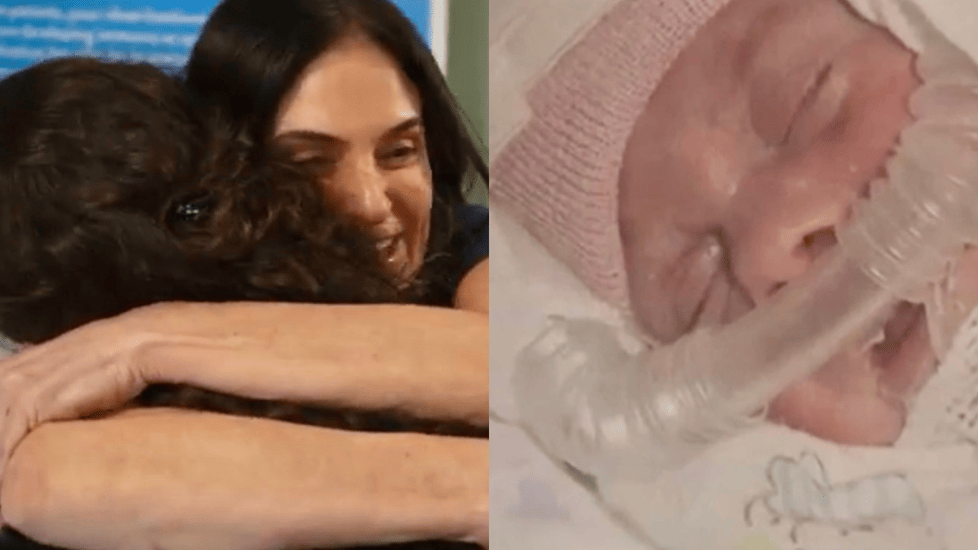
- NICU nurses form bonds that can last decades, extending far beyond a patient’s hospital stay.
- Advances in neonatal care have improved survival for micro-preemies, but nursing care remains central to outcomes.
- Reunions like this highlight the lasting emotional and clinical impact of NICU nurses on patients and families.
When Madison Kennedy was born on December 5, 2004, she weighed just 1 pound and 3 ounces and arrived at 22.5 weeks gestation. With severely underdeveloped lungs, her survival was uncertain. More than two decades later, Kennedy reunited with Janine Buggle, the neonatal intensive care unit nurse who cared for her during those critical early weeks at Jersey Shore University Medical Center.

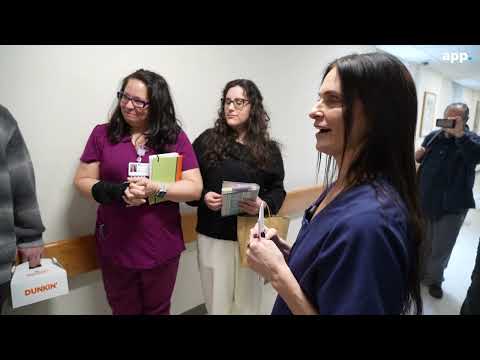
The reunion took place in the NICU greeting area of K. Hovnanian Children’s Hospital, where Buggle recognized Kennedy almost immediately. According to reports, Buggle described the moment as overwhelming. She recalled feeling an immediate surge of emotion as she tried to process who was standing in front of her. “Oh my goodness. How are you?” she said. “Who is this person in front of me? And then I realized it was her.”
Kennedy said reconnecting with Buggle had been at the top of her bucket list for years. “It has always been in the back of my mind,” she said, according to reports. “I have always wanted to meet Janine.”
Madison’s Early Days in the NICU
Infants born at 22–23 weeks gestation are among the most vulnerable patients in neonatal care. Large cohort studies and national guidelines describe historically low survival rates for babies born before 23 weeks, often in the single digits to low tens of percent, with outcomes varying by hospital and level of care.
Kennedy’s mother, Christine Kennedy, recalled the emotional strain of those early days in the NICU. “We were told, ‘We don’t know if she will make it through the night,’” she said. “I would go home and call all night long. The nurses always took our calls and never made us feel like we were asking too much.”
Madison spent nearly nine weeks in the NICU receiving continuous care from a multidisciplinary team. Buggle, who has more than 30 years of NICU nursing experience, was among the nurses who supported Madison and her family during that time.
According to reports, Madison’s family expressed deep gratitude for the care their daughter received. “Thank you so much for the care you gave our girl,” a family member said. “I have no idea how much it meant to us.”
The Role of NICU Nurses Beyond Clinical Care
NICU nursing extends beyond highly specialized clinical skills. Nurses also play a central role in supporting families during prolonged hospitalizations, helping parents navigate uncertainty, and celebrating developmental milestones.
Madison’s case reflects the broader impact of NICU care nationwide. According to March of Dimes analyses of CDC birth data, nearly 380,000 babies are born prematurely in the United States each year, and many require intensive neonatal support.
Research also highlights the importance of nursing support for families. A 2019 study published in the Journal of Perinatal and Neonatal Nursing found that consistent nursing care is associated with reduced parental stress and improved coping during and after NICU hospitalization.
Advances in Neonatal Care
Madison Kennedy’s survival also reflects advances in neonatal medicine over the past two decades. In 2004, survival for infants born at 22 weeks was rare. Over the past two decades, studies from tertiary and high‑intensity centers have documented rising survival for infants born at 22 weeks, with reported rates in some settings now reaching into the double digits and even higher where aggressive, standardized care is provided, though outcomes still vary widely by hospital and region.
These improvements are attributed to advances in technology, research, and clinical expertise, as well as the coordinated efforts of NICU nurses, neonatologists, respiratory therapists, and other healthcare professionals.
Why Moments Like This Matter for Nurses
Reunions like this one highlight the lasting impact of nursing work on those who provide care. NICU nurses often spend weeks or months caring for critically ill infants while supporting families during some of the most stressful moments of their lives. Much of that work happens quietly and without follow-up, making moments of reconnection especially meaningful.
For nurses, these encounters serve as reminders that the care they provide extends far beyond clinical outcomes, often shaping families’ lives in ways they may never fully see during their careers.
🤔Nurses, share your thoughts about this below.
If you have a nursing news story that deserves to be heard, we want to amplify it to our massive community of millions of nurses! Get your story in front of Nurse.org Editors now - click here to fill out our quick submission form today!