




NewYork-Presbyterian Hit With $400K Penalty After 600+ Staffing Violations
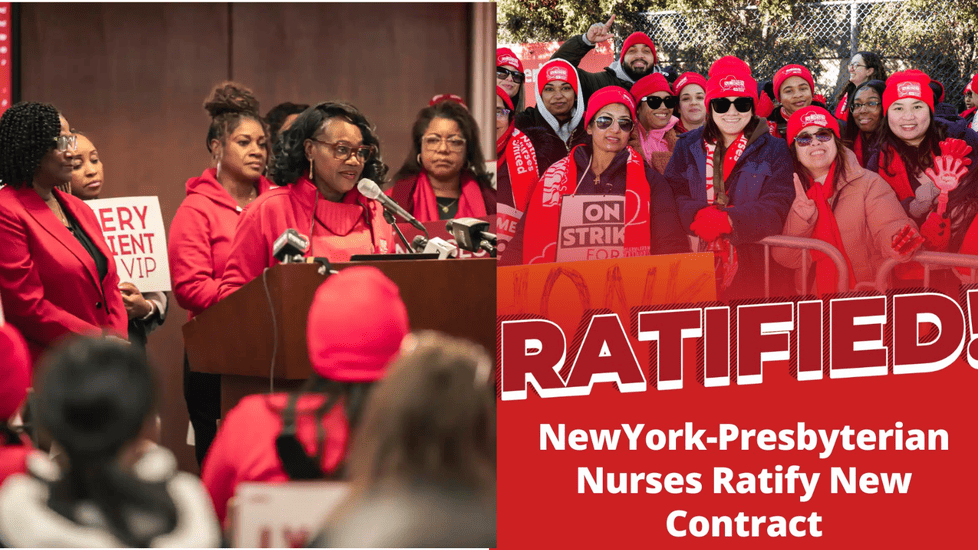
- A historic, 41-day nursing strike with nurses from New York-Presbyterian Hospital has come to an end.
- Nurses voted overwhelmingly in majority on a new contract that includes safe staffing regulations, protections against AI, and increases salaries by over 12%.
- During the negotiations, an arbitrator found over 600 safe staffing violations and ordered NewYork-Presbyterian to pay nearly $400,000 to nurses at Morgan Stanley Children's Hospital's pediatric intensive care unit.
A historic, 41-day strike at New York-Presbyterian Hospital has reached a historic end and an important legal milestone, with an arbitrator determining that the hospital violated safe staffing provisions more than 600 times between January 2023 and May 2024.

As a consequence of the violations, the hospital was ordered to pay nearly $400,000 to nurses at Morgan Stanley Children's Hospital's pediatric intensive care unit.
The arbitrator also identified a "perceived pattern of violations" based on nurse documentation of ongoing shortages.
The Strike
That strike, which began on January 12, 2026, after the nurses' contract expired on December 31, 2025, would become one of the longest and most significant nursing labor actions in New York City history.
Over 4,000 NewYork-Presbyterian nurses joined more than 10,000 colleagues from Montefiore and Mount Sinai in a coordinated effort led by the New York State Nurses Association (NYSNA) to demand what they considered non-negotiable: enforceable safe staffing standards.
The arbitrator's ruling came at a critical moment during the labor standoff, because, as any nurse knows, it wasn't just about the money.
"While the financial remedies are nice, what we really want is more nurses and a contract that makes it harder for the hospital to avoid taking accountability,” said Sophie Boland, a registered nurse at CHONY, told AMNY. “That’s why we’re on strike.”
Accountability came in the arbitrator's decision, which established "a perceived pattern of violations" based on meticulous documentation that nurses began keeping in 2023 when they noticed concerning staffing trends in their unit.
NewYork-Presbyterian responded by stating that safe staffing is "always a priority and an essential aspect of delivering outstanding patient care," noting they had "proactively hired more than 400 new nurses over the last three years alone at our Columbia hospitals," according to CBS New York.
The hospital also announced plans to appeal the arbitrator's decision in federal court.
Fighting Back
For the nurses on the picket line, the financial penalty represented more than just compensation—it was validation. They participated in the strike because they had the documentation to back up their claims that the hospital had committed staffing violations, so they didn't back down.
When a mediator's first proposal came forward, the nurses felt "failed to adequately address" their staffing concerns, voting it down and continuing to strike, even as their colleagues at Montefiore and Mount Sinai returned to work on February 14 after reaching their own agreements.
Their perseverance paid off, however, and on February 20, 2026, approximately 93% of the 4,200 NewYork-Presbyterian nurses voted to ratify a three-year contract that NYSNA characterized as a "historic win for healthcare justice," according to ABC News.
The three-year contract delivered on multiple fronts, including:
- Over 12% salary increases
- Enforceable safe staffing standards (the central demand)
- Workplace violence protections
- AI-related protections
- Layoff protections and maintained health benefits
- Protection for immigrant patients
- Safe returns to work for nurses
"Nurses fought to protect and improve care for New Yorkers, " the NYSNA wrote on Facebook. "They faced some of the wealthiest, largest private employers in the city and fought against unseen levels of union-busting, public denigration, and delay tactics. Hospitals flaunted the millions they spent on temporary travel nurses, rather than investing in safe patient care. Despite this, they achieved contracts that set industry standards and will improve care for New Yorkers."
What The Decision Means for Nurses
The victory at NewYork-Presbyterian stands in contrast to some criticism of the contracts reached at other hospitals. While Montefiore and Mount Sinai nurses also returned to work with new agreements, some observers noted that the actual number of new hires committed to in those contracts fell short of what nurses had demanded. Mount Sinai, for instance, agreed to add only 30 new positions compared to the 700 nurses it had requested, according to WSWS.
This historic strike and its resolution carry implications far beyond New York City.
The combination of the arbitrator's ruling and the contract victory establishes important precedents: that hospitals can be held legally accountable for staffing violations, and that collective action can secure enforceable protections rather than just promises.
“For a month and a half, through some of the harshest weather this city has seen in years, nurses at NYP showed this city that they won’t make any compromises to patient care," said NYSNA President Nancy Hagans, RN, BSN, CCRN, in a statement, adding:
"They stood in the cold, snow, ice, and wind, along with their union siblings, fighting back management’s attempts to cut corners on care and secured contracts that improve enforceable safe staffing ratios, improve protections from workplace violence, and maintain health benefits with no additional out-of-pocket costs for frontline nurses."
🤔Nurses, what do you think about the contract and ruling? Share your thoughts below.
If you have a nursing news story that deserves to be heard, we want to amplify it to our massive community of millions of nurses! Get your story in front of Nurse.org Editors now - click here to fill out our quick submission form today!