




Netflix’s ‘The Investigation of Lucy Letby’: New Footage Nurses Need to See

- Netflix doc shows unseen police bodycam of Letby's stunned arrest at home; her parents call the footage a "privacy invasion."
- The film uses AI-generated avatars like "Maisie" for anonymity, sparking "grotesque" backlash over their eerie effect in interviews.
- Documentary spotlights hospital bosses' arrests for ignored warnings and evidence doubts fueling a potential retrial amid unit failures.
Netflix’s new documentary The Investigation of Lucy Letby dropped globally on February 4, 2026, revisiting one of the most disturbing cases in recent healthcare history — the conviction of neonatal “Killer Nurse” Lucy Letby for the murder of seven infants and attempted murder of several others. The film promises “unseen footage and unheard insider accounts,” and it delivers material that even seasoned followers of this case haven’t seen before.
Here’s what nurses should know about the new documentary, how it’s being received, and the professional issues it highlights.

What’s New: Arrest Footage and Unseen Interviews
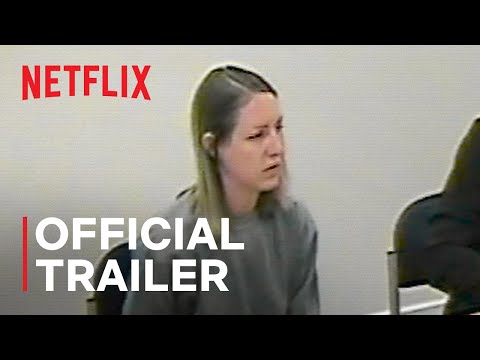
The most significant addition to the narrative is the inclusion of never-before-seen police footage. For the first time, the public can see the moment Letby was arrested at her parents’ home in Hereford. The footage shows Letby in her pajamas and dressing gown, appearing stunned as she is led away in handcuffs.
The release of this footage has been met with a scathing response from Letby’s parents, Susan and John Letby. In a statement to The Sunday Times, they described the documentary as a "complete invasion of privacy" and stated that watching it would "likely kill us." They specifically criticized the decision to show the interior of their home, where they have lived for 40 years, and the moment their daughter said goodbye to her cats before being taken into custody.
The documentary also features clips from her police interrogations where she addresses the infamous "I am evil I did this" Post-it note. Letby claims the note was a reflection of her mental state after being removed from the unit and being made to feel as though she had "done something wrong through her practice," rather than a literal confession.
AI "Maisie" and Digital Anonymity
One of the more unsettling aspects of the film for viewers is its use of artificial intelligence. To protect the identities of those involved—including a mother of one of the victims and a former colleague named "Maisie"—producers used AI-generated digital avatars.
While the voices and faces were altered to maintain court-ordered anonymity, the unusual effect of these blinking, crying AI figures has been described by critics as "grotesque" and "disturbing." For nurses watching, the digitalization of a "peer" colleague adds an eerie layer to the reconstruction of the ward environment.

Source: Netflix
Medical Evidence and the Hospital’s Role
Perhaps the most relevant part of the documentary for the nursing profession is the focus on the institutional failures at the Countess of Chester Hospital.
- Management Arrests: The film highlights the arrest of three senior hospital managers on suspicion of gross negligence manslaughter. This follows allegations that leadership failed to act sooner despite repeated warnings from clinicians.
- Questionable Forensic Evidence: The documentary gives significant airtime to experts like Dr. Shoo Lee, the Canadian neonatologist whose research on air embolisms was a cornerstone of the prosecution. Dr. Lee has since stated that his work was misused and that there is "no medical evidence" to support the convictions, attributing the collapses instead to natural causes or poor medical care in a failing unit.
This has led to calls for the Criminal Cases Review Commission (CCRC) to refer Letby’s case back to the Court of Appeal for possible retrial, a review that remains ongoing. Polls in the UK show public support for a retrial is strong, although that is far from a legal outcome.
Is the Documentary "Good"?
Reviews are polarized. The Guardian called the film "sensationalist," arguing that it prioritizes dramatic "true crime" tropes—like the howling of Letby’s mother during the arrest—over a rational appraisal of the complex medical facts. However, for those looking for a detailed reconstruction of the police timeline, it offers an unprecedented look behind the scenes of the investigation.
Some praise the first hour’s tight timeline: the neonatal unit’s death spike tied to Letby’s shifts, how incidents stopped after her removal, and detective breakdowns of evidence like air injections. But others criticize its drama over depth, skipping unit understaffing admissions from consultants like Dr. John Gibbs, who has since questioned if they “got the wrong person” amid poor resuscitation skills and delays. Others note the post-Letby mortality drop coincided with the unit's downgrade to handle less critical cases.
Overall, it’s a relatively short, very bingeable true crime story. Rotten Tomatoes has yet to weigh in with a score.
The Bottom Line for Nurses
For nurses, the documentary is a difficult watch. It highlights the terrifying possibility of how a professional’s clinical notes, handover sheets, and social media habits can be recontextualized as "sinister" under the lens of a criminal investigation.
As the Criminal Cases Review Commission (CCRC) continues to examine the case for a potential retrial, the documentary serves as a reminder of the importance of institutional accountability and the high stakes of forensic evidence in the NICU.
🤔Nurses, did you watch the documentary? Share your thoughts below.
If you have a nursing news story that deserves to be heard, we want to amplify it to our massive community of millions of nurses! Get your story in front of Nurse.org Editors now - click here to fill out our quick submission form today!