




Nurse Who Survived Fatal Plane Crash and Helped Passengers Calls Pilots “True Heroes”
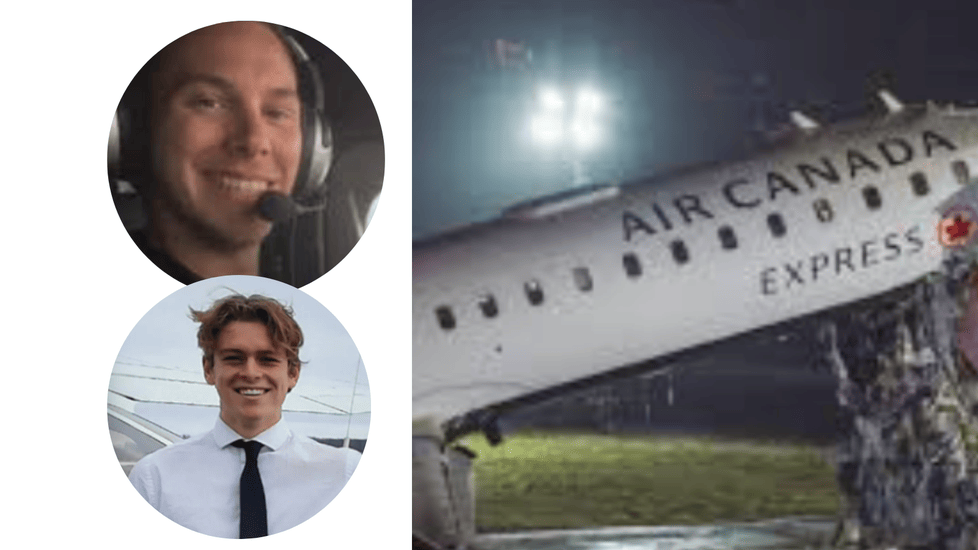
- Nurse Rebecca Liquori helped open an exit and aid passengers after the crash.
- Both pilots died but are credited with actions that saved lives onboard.
- A fire truck crossed the runway shortly before impact, limiting visibility.
- First fatal LaGuardia crash in 34 years; most injured passengers have been released.
Nurse Rebecca Liquori was seated in the emergency exit row on Air Canada Express Flight 8646 when the aircraft crashed into a firetruck. Immediately after the crash, she was pulling that door open with a stranger beside her while passengers banded together to exit the plane at LaGuardia Airport. In recent media interviews, Liquori has called the pilots “heroes,” crediting them with sacrificing their lives to save all 72 passengers on board.

What Happened on Flight 8646
Air Canada Express Flight 8646, operated by Jazz Aviation, was arriving from Montreal with 72 passengers and four crew members when it touched down on Runway 4 at LaGuardia Airport at approximately 11:40 p.m. on Sunday, March 22. At that same moment, a Port Authority Aircraft Rescue and Firefighting truck was crossing the runway.
The fire truck had been dispatched to respond to a separate emergency: United Flight 2384 had aborted a takeoff on the other side of the airport because of an odor in the cabin that was making flight attendants ill. To reach that plane, the fire truck crew requested permission to cross Runway 4. The tower granted it. Just 10 seconds later, an air traffic controller realized the Air Canada jet was on its landing roll and urgently reversed the instruction. "Stop. Stop. Stop. Stop, truck 1. Stop," the controller said on the audio recording. It was too late.
The jet struck the fire truck at runway speed, crumpling the nose of the aircraft on impact. Cockpit voice and flight data recorders were recovered by the NTSB. The fire truck had no transponder, a safety device that helps air traffic controllers track vehicles on the airfield. The NTSB said the airport's surface detection equipment also failed to generate a collision alert before impact because vehicles merging near the runway prevented it from establishing a reliable track.
Eighteen minutes after the collision, a recording captured a visibly shaken air traffic controller speaking with another pilot. "That wasn't good to watch," the pilot said. "Yeah, I know," the controller responded. "I tried to reach out to them. We were dealing with an emergency earlier. I messed up."
Remembering The Pilots Who Did Not Make It Home
Capt. Antoine Forest and First Officer Mackenzie Gunther were both killed in the crash. It was the first fatal accident at LaGuardia Airport in 34 years, coming exactly 34 years to the day after a previous crash at the airport.

Forest was a pilot based in the greater Montreal area. Gunther had graduated from Seneca Polytechnic's aviation technology program in 2023 and joined Jazz Aviation immediately after. Flags at Seneca were lowered to half-staff in his honor. The bodies of both pilots were flown home to Canada in a dignified transfer aboard an Air Canada plane departing from Newark Liberty Airport on Wednesday.

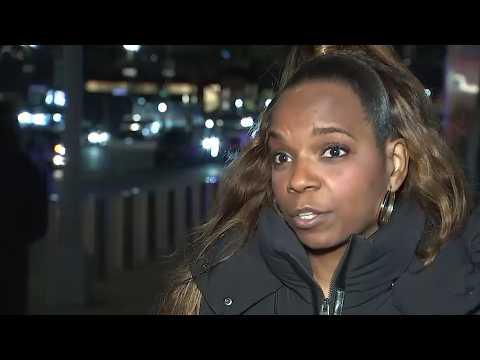
Nearly every passenger who survived described the same thing in interviews afterward: the feeling of the pilots braking hard in the final seconds before impact. "I felt like the pilots saved our lives," Liquori told media outlets. "They're the reasons I was able to make it home safe to see my boys, and my heart goes out to their families." Another passenger, Clement Lelievre, told the Montreal-based La Presse simply: "Il nous a sauvés." He saved us.
Jack Cabot, another passenger, said that when he exited through the emergency door and saw what was left of the cockpit, he knew immediately. "We all saw the cockpit and just knew that people had died," he told media.
The flight attendant seated directly behind the pilots, Solange Tremblay, was ejected from the aircraft on impact, still strapped into her jump seat, and was found on the tarmac more than 300 feet from the plane. Her daughter told reporters it was a miracle she survived. Tremblay underwent surgery for a broken leg.
>>Listen to The Latest Nurse News Podcast
The Nurse in the Exit Row
Liquori, a 35-year-old registered nurse and mother of two from Long Island, had been returning from a cousin's baby shower in Montreal. The flight had already been delayed multiple times. She was tired. She was seated in the exit row and already thinking about getting home to her boys.
She was asleep when the plane began its descent. She woke to turbulence and the flight crew urging everyone to stay buckled. The landing was rough. She heard a grinding noise. Then, three seconds later, the collision.
"I thought, 'This is it for me,' " she told PEOPLE. She closed her eyes and thought of her sons, her husband, and her parents.
When she opened them, training took over. The man seated next to the emergency exit had hit his head during the impact and was bleeding. Liquori found napkins in her bag and handed them to him to press against the wound. Then she and another female passenger worked together to pull open the emergency exit door. A man opened the second exit on the other side of the cabin simultaneously. There was no emergency slide on the CRJ-900 regional jet, so passengers climbed out onto the wing and jumped down to the tarmac, guided by first responders who had already surrounded the plane.
"People were working together," Liquori told PEOPLE. "I think that made the situation better than it could have been."
Once on the runway, she gave her phone to another woman who needed to contact her family. Liquori's own husband had already been notified by an SOS alert sent automatically from her iPhone. For 15 minutes, he did not know if she was alive. He was already driving to the airport when she reached him.
Liquori went to the hospital later that morning and is continuing to receive medical care. She described coming home to her children as winning the lottery. "I'm going to do everything I can with the life that I've been given," she said.
What Nurses Need to Know
Liquori's instincts in that exit row were not accidental. They were the product of years of clinical training that conditions nurses to assess, act, and move toward the problem when everyone else is trying to process what just happened. She assessed an injury, found what she had, applied it, and then pivoted immediately to the next task: getting people off the plane.
The LaGuardia crash has also renewed a broader conversation about aviation safety system failures. The NTSB and FAA are investigating how a fire truck without a transponder was cleared onto an active runway 20 seconds before a commercial jet landed on it. The investigation is expected to take more than a year. For now, what is clear is that the pilots' final actions, and the passengers who stepped up around them, kept a tragedy from becoming something far worse.
If you have a nursing news story that deserves to be heard, we want to amplify it to our massive community of millions of nurses! Get your story in front of Nurse.org Editors now - click here to fill out our quick submission form today!