




First At-Home Brain Stimulation Device for Depression Receives FDA Approval
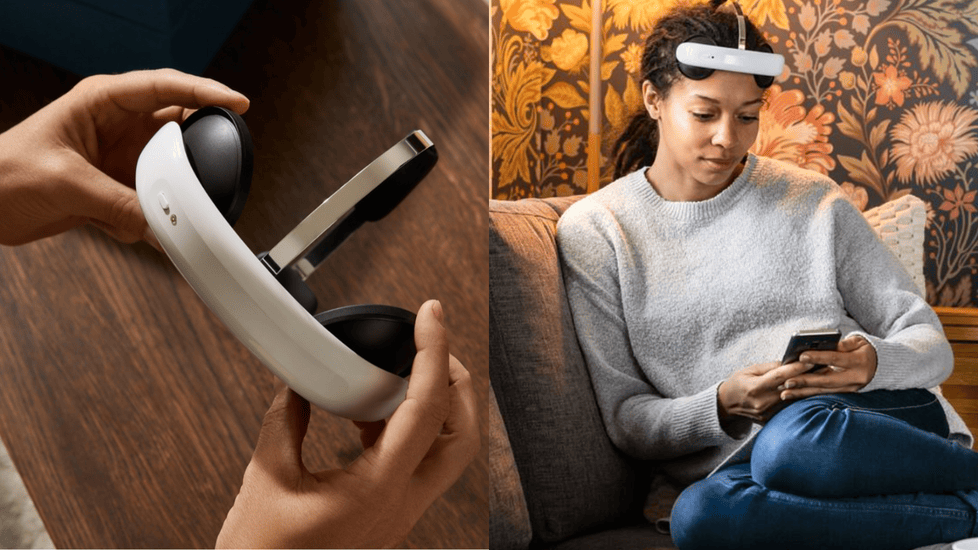
- In a groundbreaking step for mental health care, the FDA has approved Flow Neuroscience's FL-100 device for at-home use.
- The FL-100 device uses transcranial direct current stimulation (tDCS) to deliver low-intensity electrical currents to the prefrontal cortex, which is often underactive in depression.
- The device has seen 77% of users report an improvement in symptoms within 10 weeks.
The FDA has approved "Flow" as the first at-home, non-drug treatment for moderate to severe major depressive disorder (MDD). Flow looks like an old-school phone headset, but it's actually a transcranial direct current stimulation (tDCS) device that delivers low-intensity electrical currents to the prefrontal cortex, helping regulate mood.

Flow has already been in use in Europe and has helped over 55,000 people, the company, Flow Neuroscience, announced in a press release, and is now coming to the US in early 2026.
With depression rates rising over 60% over the past decade, Flow could be a promising, medication-free tool for treating a difficult condition.
How Does It Work?
The FL-100 stimulates the prefrontal cortex, a brain region often underactive in depression. Gentle electrical currents are delivered via scalp electrodes, helping restore balance. Patients can use the device at home, guided by a smartphone app. It can be used alone or alongside antidepressants or therapy, depending on the treatment plan.
The device is backed by strong evidence. A10-week study with 174 patients showed that:
- Flow users improved by an average of 9.41 points on the Hamilton Depression Rating Scale, compared to 7.14 points for a sham device.
- The response rate was 58.3% for active users versus 37.8% for the sham group.
- 58% of people in the study achieved remission from depression by 10 weeks of device use.
Flow also showed symptom improvement in as little as three weeks.
What People Should Know
Potential side effects associated with Flow are generally mild and topical, resulting from device use. For instance, patients may experience mild side effects like scalp irritation, redness, or a burning sensation at electrode sites. Rarely, improper use could lead to burns.
The most exciting part of Flow, however, is that the device is particularly beneficial for patients who struggle with medication side effects or prefer non-drug treatments.
It’s also a convenient option for those in rural areas or unable to access in-office care. The app integration further supports patient engagement and progress tracking, which can help individuals with depression feel more connected and receive more effective care.
When Will Flow Be Available for At-Home Use?
The FL-100 is expected to launch in the U.S. by mid-2026, with efforts underway to secure insurance coverage. Stay informed and ready to support patients as they explore this innovative treatment.
Nurses are always at the forefront of adapting to new tools, and this one could make a significant difference in the lives of many.
🤔Nurses, what do you think about this lawsuit? Share your thoughts below.
If you have a nursing news story that deserves to be heard, we want to amplify it to our massive community of millions of nurses! Get your story in front of Nurse.org Editors now - click here to fill out our quick submission form today!