




Did Epic Make Healthcare Data Harder to Access? New Lawsuit Raises Serious Questions
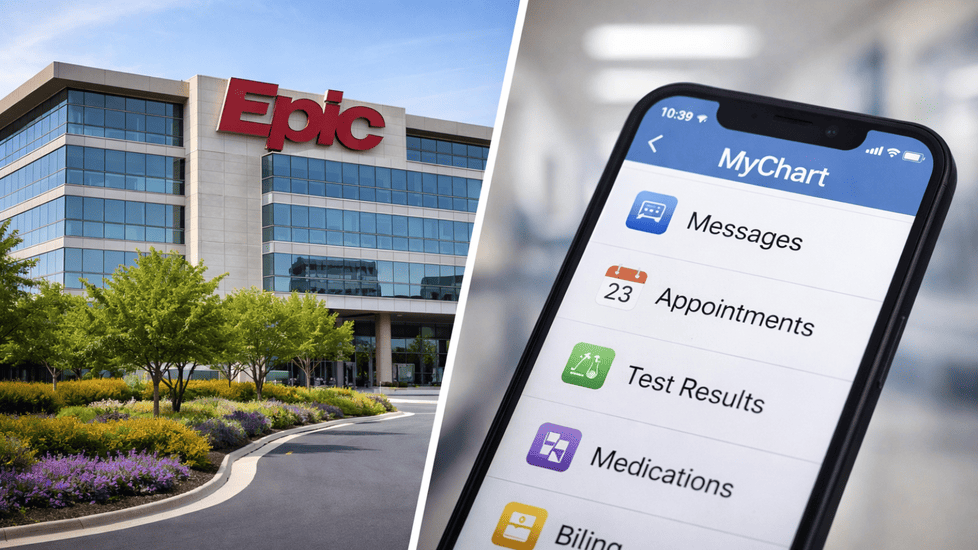
- A class-action lawsuit alleges Epic’s MyChart system makes it difficult for patients to access complete medical records across multiple healthcare providers.
- Plaintiffs claim these barriers can delay disability claims and limit access to critical health information needed for care and benefits.
- Epic denies the allegations, stating its systems are interoperable and widely used to exchange patient records with organizations like the Social Security Administration.
A new class-action lawsuit filed in Texas is accusing Epic of making it difficult for patients to access complete medical records, raising concerns about interoperability, patient access, and care coordination.
The lawsuit, filed March 9 in the U.S. District Court for the Western District of Texas, alleges the electronic health record vendor uses its market position to create barriers that fragment patient data across multiple systems. Epic has denied the allegations.
What led to the lawsuit
The lawsuit was filed by the American Association for Disability Justice, along with two individuals, Larry Miller and John Hodges.
The plaintiffs allege Epic’s system design makes it difficult for patients and authorized platforms to assemble complete medical histories when care is received across multiple healthcare organizations.
According to the complaint, Epic manages records for hundreds of millions of patients and holds more than 40 percent of the hospital electronic health record market.
The lawsuit follows a separate case filed in December by Texas Attorney General Ken Paxton, which also alleged Epic engaged in practices that restrict access to certain patient records. Epic has denied those claims.
Details of the claims
The lawsuit focuses on Epic’s MyChart patient portal and how records are accessed across different healthcare systems.
According to the complaint, patients who receive care from multiple providers must manage separate MyChart accounts tied to each organization. This can require logging into multiple portals and manually collecting records to create a complete health history.
The plaintiffs argue this process can delay disability claims, which rely on comprehensive medical documentation.
One plaintiff, Larry Miller, reportedly experienced severe complications from diabetes and applied for disability benefits. His claim was denied twice due to insufficient medical evidence, and he died while his appeal was pending. After his death, his father was unable to access portions of his medical records tied to MyChart accounts.
Another plaintiff, John Hodges, said he spent more than two years gathering records from multiple providers after suffering several heart attacks while applying for disability benefits. During that time, he experienced homelessness and lost custody of his daughter, according to the complaint.
The lawsuit also alleges Epic interfered with efforts by the advocacy organization to develop a platform that would aggregate medical records across providers using federal interoperability standards.
The complaint claims these practices violate federal antitrust laws, the Americans with Disabilities Act, and provisions of the 21st Century Cures Act related to information blocking.
Epic’s response
Epic has denied the allegations and stated the claims are baseless.
In a statement, a company spokesperson said Epic has been interoperable with the Social Security Administration for nearly 15 years and facilitates the electronic exchange of millions of records each year.
The company also stated that the majority of the Social Security Administration’s interoperable partners are providers using Epic systems.
Why this case matters for nurses
This case highlights ongoing challenges related to interoperability and access to patient information. Nurses rely on complete and accurate medical histories to make informed clinical decisions, and when records are fragmented across multiple systems, it can increase workload and impact care coordination.
The case also reflects challenges patients face when managing their own health information. Many individuals receive care from multiple providers, and navigating separate portals can be time-consuming and difficult.
In situations involving disability claims or complex medical conditions, delays in accessing records can have significant personal and financial consequences.
What this could mean for healthcare moving forward
The plaintiffs are seeking class-action certification, financial damages, and court orders requiring Epic to remove barriers that limit access to electronic health information. Epic continues to deny the allegations, and the case will move forward in federal court. The outcome could have broader implications for how electronic health records are shared and accessed across healthcare systems. As more patients receive care from multiple providers, the ability to easily access complete and accurate records remains a key issue. For nurses, this reinforces the importance of clear documentation, strong care coordination, and advocating for systems that support safe, efficient, and patient-centered care.
 Nurses, share your thoughts in the discussion forum below.
If you have a nursing news story that deserves to be heard, we want to amplify it to our massive community of millions of nurses! Get your story in front of Nurse.org Editors now - click here to fill out our quick submission form today!


.