




Nurse Practitioners Could Practice Independently in SNFs if Bill Passes
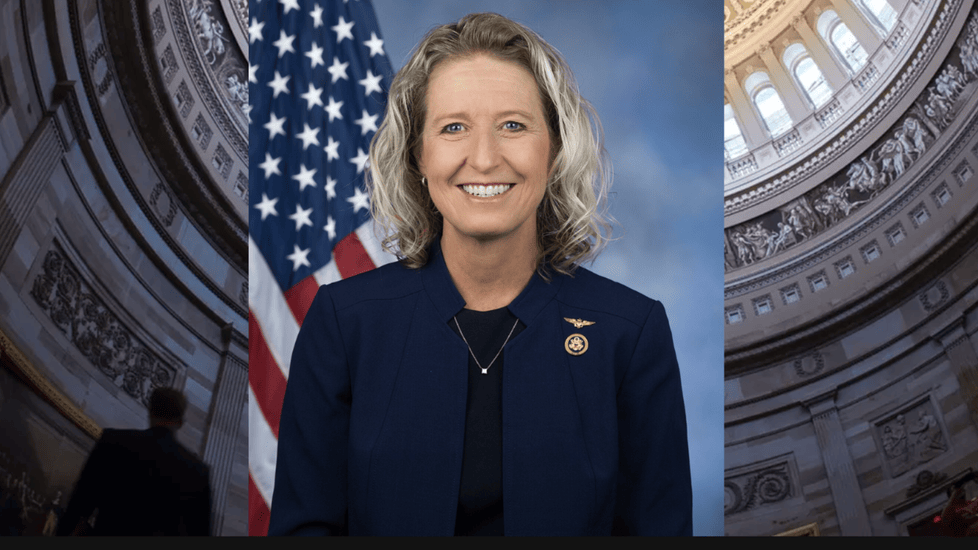
- H.R. 7106, the Enhancing Skilled Nursing Facilities Act, is a new bill proposed by Representative Jennifer Kiggans.
- The bipartisan bill would allow nurse practitioners and physician assistants the ability to supervise care in skilled nursing facilities, in addition to physicians, based on state laws.
- Proponents hope that by allowing NPs to act alongside physicians, improved and streamlined care can be given.
A federal bill introduced in January 2026, called the Enhancing Skilled Nursing Facilities Act (H.R. 7106), could dramatically expand the roles of nurse practitioners (NPs), clinical nurse specialists (CNSs), and physician assistants (PAs) in skilled nursing facilities.
If passed, this legislation would amend the Social Security Act to give these providers the green light to take on responsibilities that are currently limited to physicians under Medicare and Medicaid. Translation? More autonomy, more impact, and a chance to fill some major gaps in long-term care.

This bill was introduced by Representative Jennifer Kiggans of Virginia on January 15, 2026, with Michigan’s Representative Debbie Dingell as a key cosponsor. The bipartisan support for this legislation highlights a growing acknowledgment of how vital advanced practice providers are, especially as the healthcare system confronts workforce shortages in long-term care settings.
What Would This Mean for Advanced Practice Nurses?
If this bill becomes law, nurse practitioners would gain the authority to supervise care and independently administer Medicare Part B services, responsibilities that are currently physician-only.
Clinical nurse specialists would also have an expanded role, working more closely with attending physicians and making direct decisions about residents' care. PAs would step up, too, taking on tasks like certifying care needs and playing a larger role in managing patients.
The bill also proposes changes to Medicaid rules, allowing NPs, CNSs, and PAs to certify the need for skilled nursing and intermediate care services. This is a game-changer, especially for rural areas where physician shortages often leave patients waiting too long for care.
Why Now? The Growing Need for Skilled Nursing Care
The timing of this legislation couldn’t be more relevant. The U.S. is aging, and aging fast. According to the U.S. Census Bureau, the number of Americans over 65 is expected to nearly double, jumping from 54 million in 2019 to 95 million by 2060. That’s a lot of folks who will need skilled nursing care, and the system is already stretched thin.
This bill offers a way to strengthen the workforce by empowering advanced practice providers to step into roles that can help meet this growing demand.
Plus, research shows that advanced practice nurses provide care comparable to physicians, especially in primary and long-term care, while improving access for underserved populations.
What Could This Mean for Nursing and Beyond?
It’s not just nurses who could feel the ripple effects of this bill. Major healthcare organizations, from SNFs to home health agencies, may need to rethink how they structure staffing and care delivery.
For example, if NPs and CNSs can now certify care plans or oversee Medicare Part B services, facilities might adjust their hiring practices to bring on more advanced practice providers. This could lead to a shift in how care is delivered, with more emphasis on team-based approaches that lean on the expertise of NPs, CNSs, and PAs.
Nursing organizations have been fighting for these kinds of changes for years, and there’s plenty of evidence to support their case. A 2019 study published in JAMA found that states granting full practice authority to NPs saw improved access to care without a drop in quality. Patients in these states had shorter wait times and better access to care, especially in underserved areas. This bill could extend those benefits nationwide.
Of course, not everyone is on board. Critics worry about potential inconsistencies in care or challenges with patient management as advanced practice providers take on more autonomy. These concerns will likely come up during the legislative process, but advocates argue that the benefits far outweigh the risks.
What’s Next?
The Enhancing Skilled Nursing Facilities Act is still in its early stages. It’s been referred to the House Energy and Commerce and Ways and Means committees, where it’ll need to gain approval before moving forward. From there, it would need to pass both the House and Senate and get the president’s signature to become law. It’s a long road, no doubt, but the bipartisan support for this bill gives it a solid shot.
For nurses thinking about advancing their careers, this legislation is a pretty exciting signal. If passed, it could open new doors in skilled nursing settings, with more independence and opportunities to make a real impact. And for those of you already in advanced practice roles, this bill could finally give you the recognition and authority to do what you’ve been trained to do all along.
So, what’s the bottom line? This bill isn’t just about expanding roles—it’s about recognizing the value of advanced practice providers and ensuring that patients, especially in underserved areas, get the care they need.
Whether you’re a student nurse dreaming of one day becoming a nurse practitioner or a seasoned CNS who’s been advocating for change for years, this legislation has the potential to reshape the future of nursing in skilled care facilities. Let’s keep an eye on it—this could be the start of something big!
🤔Nurses, what do you think of this proposed legislation? Share your thoughts in the discussion forum below!
If you have a nursing news story that deserves to be heard, we want to amplify it to our massive community of millions of nurses! Get your story in front of Nurse.org Editors now - click here to fill out our quick submission form today!