




125 Years Strong: Why Empathy Still Defines the Army Nurse Corps
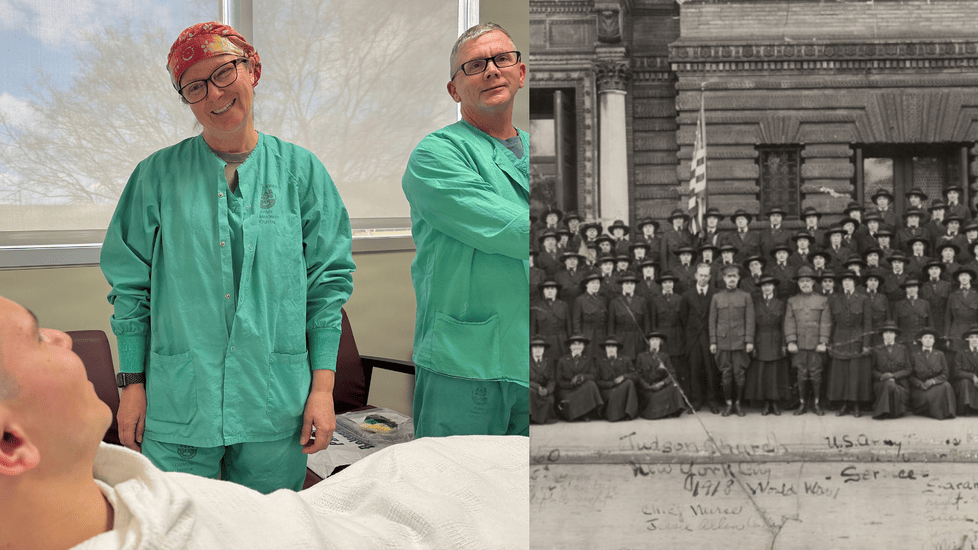
- The Army Nurse Corps has provided compassionate, mission-driven care for 125 years across combat, humanitarian, and peacetime settings.
- Empathy remains a defining value of military nursing, shaping both clinical care and leadership roles.
- Army nurses serve as clinicians, leaders, and mentors, often making the greatest impact in quiet, unseen moments of care.
As the U.S. Army Nurse Corps celebrated its 125th anniversary on February 2, 2026, nurses across the military reflected on a legacy built not only on clinical excellence, but on compassion, leadership, and service under extraordinary conditions.
Established in 1901, the Army Nurse Corps has supported service members and their families through wars, humanitarian missions, and peacetime operations around the world. From early battlefield hospitals to today’s advanced military medical centers, Army nurses have delivered care in some of the most demanding environments in healthcare.

Compassion at the Core of Military Nursing
For Maj. Sam Chase, an Army Nurse Corps executive fellow, that history is deeply personal. “Knowing how we got started and where we are and where we’re headed as a corps makes me proud,” he said. His career began in emergency medicine, where he learned that compassionate care often means looking beyond chaos to see the person behind the injury.
“The difference is to look past the situation and see the person,” Chase explained. “Compassionate care isn’t soft. It’s firm and resolute, but it treats every patient with dignity and respect.”
That principle has remained constant for Army nurses for more than a century, regardless of setting or mission.
Nursing Leadership Beyond the Bedside
Army nurses serve not only as clinicians, but also as leaders and mentors. Chase shared that empathy remained essential when he served as a company commander, supporting soldiers through both professional and personal challenges.
“When you lead with empathy, you’re helping people navigate life,” he said. “Sometimes that alone can be healing.”
These leadership roles highlight how military nursing extends beyond bedside care into advocacy, mentorship, and support for the whole soldier and family.
Quiet Moments That Define the Profession
Much of the Army Nurse Corps’ impact happens in moments that are never seen or recognized. Chase recalled a fellow nurse who stayed with a dying patient whose family could not be present.
“No one sees you do it,” he said. “You do it because it’s the right thing to do.”
According to senior military leadership, this quiet dedication defines the profession. Lt. Gen. Mary K. Izaguirre described Army nurses as innovators, leaders, and healers who have shaped military medicine for generations.
A Timeless Value in a Changing World
While uniforms, technology, and care environments have evolved over the last 125 years, one value has remained unchanged.
“The single timeless value is empathy,” Chase said. “The technology changes. The uniform changes. But the human experience doesn’t.”
As Army nurses continue to serve around the world, that commitment to compassionate, patient-centered care remains the foundation of the corps.
🤔Nurses, share your thoughts about this below.
If you have a nursing news story that deserves to be heard, we want to amplify it to our massive community of millions of nurses! Get your story in front of Nurse.org Editors now - click here to fill out our quick submission form today!