



500+ Clinicians Surveyed: Nurses Are Worried About DEHP Exposure—And Want Safer IV Therapy
Originally published on The Nursing Beat, April 23, 2025
What if the supplies you used to treat patients could actually cause them harm?
With patient care at the forefront of your mind, it’s impossible to know and avoid every substance that might pose health risks. In California, Prop 65 signs are everywhere—from airplanes to fast food restaurants—reminding us that potentially dangerous chemical compounds are seemingly always lurking. But what if there were a simple solution to reduce the risk of patient harm?
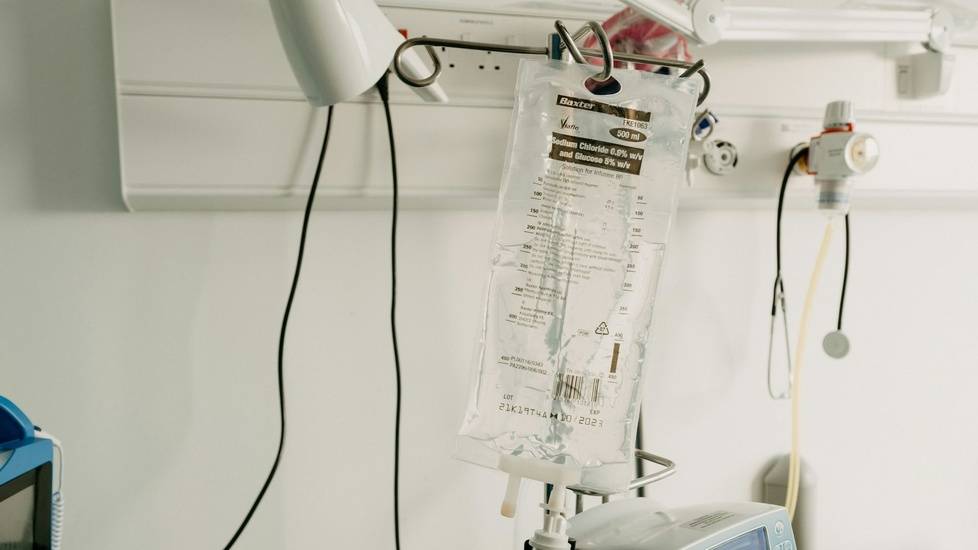
A sneaky chemical compound named Di(2-ethylhexyl) phthalate (DEHP) is a common component of IV bags and has been linked to cancer, birth defects, and reproductive harm. Safer, DEHP-free alternatives are available, so why are we still exposing our patients to this risk?
Let’s break down what you need to know about DEHP and how B. Braun, a leading medical supply company, is working to make IV therapy safer for everyone.

What is DEHP?
DEHP is a chemical commonly added to plastics to make them more flexible. It was first manufactured in the 1930's and, due to its affordability and effectiveness, is currently used in lots of everyday products—from medical devices, to flooring and packaging. Manufacturers produce more than two million tons of DEHP every year.
What Do Nurses Know about DEHP?
If you feel like you’re out of the loop on DEHP, you aren’t alone.
The Nursing Beat surveyed over 500 healthcare providers in 48 states -- 77.4% identified as registered nurses and 10% as advanced practice providers.
Here are some key takeaways that speak to just how little nurses know about this harmful chemical:
- The majority of survey respondents (54.5%) were not familiar with the term “phthalate.”
- Almost 3 in 4 respondents did not know that DEHP is the most commonly used phthalate in medical devices
- Almost 75% of respondents were not aware that the majority of IV bags used in the US contain DEHP
Health and Safety Risks
DEHP might sound like just another chemical on the long list of things we’d rather not think about, but its effects on our health are worth considering.
Here’s what makes this compound particularly concerning:
- Leaches from medical supplies. Reports demonstrate that DEHP leaches from medical supplies. IV bags can contain up to 40% DEHP in weight, resulting in potentially significant exposure levels.
- Crosses the placental barrier. Research shows that DEHP crosses the placental barrier, possibly affecting fetal development.
- Hormone disruption. There may be a link between thyroid and adrenal hormone disruption and DEHP exposure. This has been especially prevalent in animal studies.
- Reproductive harm. A CDC toxicology report states there is an “association between DEHP exposure and decreased serum testosterone and altered sperm parameters in males.” The State of California has also determined that DEHP is a reproductive and developmental toxicant.
- Cancer. DEHP has been determined to be a potential human carcinogen based on sufficient evidence in animal trials by the U.S. Department of Health and Human Services, U.S. Environmental Protection Agency, and the International Agency for Research on Cancer. Various advocacy groups, like Breast Cancer Prevention Partners, are also raising awareness of the link between DEHP and cancer.
Popular Online RN-to-BSN Programs

Chamberlain University is the #1 largest school of nursing with a community of more than 177,000 students, faculty, and alumni. The school offers BSN programs online and has a long history of successfully delivering top quality education. Save up to 30%* on tuition with the RN-to-BSN Tuition Advantage Grant (*see Chamberlain website for details).
 CCNE
CCNE
 Online
 RN Required
Enrollment: Nationwide except CT, NY, RI

When you earn an ASU nursing degree, you are gaining skills from a respected and accredited institution. Our online nursing degrees are accredited by the Arizona State Board of Nursing and the Commission on Collegiate Nursing Education.
CCNE
Online
RN Required
Enrollment: Nationwide

WGU's award-winning online programs are created to help you succeed while graduating faster and with less debt. WGU is a CCNE-accredited, nonprofit university offering bachelor's and master's degrees in nursing, with the additional distinction of being named a Center of Excellence in Nursing Education by the National League for Nursing. Join a trusted, accredited online university to accelerate your nursing career on your schedule. Scholarships and financial aid are available.
CCNE
Online
RN Required
Enrollment: Nationwide

GCU’s RN-BSN program is tailored to meet the needs of the RN adult learner and to maximize the strengths that the working RN already possesses. Transfer up to 90 credits and earn a BSN in as little as 12 months. GCU’s online classes allow you to study at the times that work for your schedule while still enjoying a close connection with your classmates and instructor via online discussions.
CCNE
Online
RN Required
Enrollment: Nationwide

Walden’s online programs for nursing meet rigorous standards for academic quality and integrity, and 100% of our College of Nursing didactic faculty are doctorally trained. With multiple degree completion options, you can choose a bachelor’s in nursing path that makes sense for your busy, unpredictable schedule.
CCNE
Online
RN Required
Enrollment: Nationwide, excluding CT, ND, NY and RI. Certain programs have additional state restrictions. Check with Walden for details.
What Do Nurses Know About the Health and Safety of DEHP?
Although nurses always want what is best for their patients, it’s clear that a large knowledge gap exists regarding the presence and safety of DEHP:
- 60% of survey respondents did not know that the State of California has determined that DEHP is a reproductive and developmental toxicant and a carcinogen
- 71% of respondents were not aware that DEHP can leach out of IV bags into the solution contained in the bag and then be infused into the patient's body
- The majority of survey respondents were “very concerned” about patient exposure to DEHP and whether their facilities are using supplies containing DEHP. 98.5% would prefer to use IV bags that are DEHP-free.
Ongoing Legislation
California is taking a step towards protecting public health with the passage of Assembly Bill 2300 in 2024, the Toxic-Free Medical Devices Act. This law prohibits the manufacture, sale, or distribution of IV bags made with DEHP. To address supply concerns, the bill gives manufacturers until 2030 to transition to DEHP-free IV bags.
Considering millions of Californians receive IV treatments every year—often without knowing they are being exposed to toxic substances—the Toxic Free Medical Devices Act will help ensure patients receive safer care without unnecessary exposure to toxic chemicals. Vulnerable populations—particularly Black women—face higher risks from DEHP, but there are equally effective and affordable DEHP alternatives available.
What Do Nurses Know About Ongoing DEHP Legislation?
- 3 in 4 respondents did not know that legislation in California would ban the use of IV bags made from DEHP. About 27% of respondents were from California.
- 77% of respondents would support legislation that would ban the use of IV bags containing DEHP
B. Braun’s Role in Reducing DEHP
As a leading medical device company, B. Braun is providing products not made with DEHP or PVC for safer patient care.
Here is what B. Braun is doing to support California’s legislation aimed at phasing out DEHP from IV bags and creating safer medical equipment for patients:
- B. Braun was the first medical device manufacturer to remove DEHP and PVC from many products, offering a full line of IV drugs, IV and nutrition solutions, and irrigation containers plus a robust line of IV sets/connectors not made with DEHP or PVC.
- The company launched the CARESAFE™ IV Administration Sets in 2021, advancing safe IV therapy without DEHP or PVC.
- B. Braun is actively working with government officials, healthcare providers, and advocates to push for stronger safety regulations in the healthcare system.
Chamberlain University is the #1 largest school of nursing with a community of more than 177,000 students, faculty, and alumni. Chamberlain offers BSN, MSN, NP and DNP programs online and has a long history of successfully delivering top quality education. Enrollment: Nationwide except CT, NY, RI Whether you’re taking the first steps toward a nursing degree, seeking to advance as a nurse or want to hone your craft with specialized study, there’s a path for you at Purdue Global’s School of Nursing. Our programs were designed so that you can easily balance your lives at home and work with school - without sacrificing the rigor and cutting-edge curriculum of a quality nursing education. Enrollment: Nationwide, but certain programs have state restrictions. Check with Purdue for details. GCU's College of Nursing and Health Care Professions has a nearly 35-year tradition of preparing students to fill evolving healthcare roles as highly qualified professionals. Enrollment: Nationwide The Berkley School of Nursing at Georgetown University is one of the world’s leading academic and research institutions, and the university has been delivering graduate nursing programs in a distance-learning environment since 2011. The university's online programs allow students to learn from wherever they are while they pursue an accredited, mission-driven nursing education that will allow them to deliver high-quality care. Enrollment: Nationwide, excluding NY and WA. Earn your nursing degree from one of the largest nursing education providers in the U.S. Walden University’s BSN, MSN, post-master’s APRN certificate, and DNP programs are accredited by the Commission on Collegiate Nursing Education (CCNE). Get enhanced practicum support with our Practicum Pledge. Enrollment: Nationwide, excluding CT, ND, NY and RI. Certain programs have additional state restrictions. Check with Walden for details.Popular Online Master of Science in Nursing (MSN) Programs
CCNE
Online
RN Required
 CCNE
Online
RN Required
CCNE
Online
RN Required
CCNE
Online
RN Required
CCNE
Online
RN Required
 CCNE
RN Required
CCNE
RN Required
 CCNE
Online
RN Required
CCNE
Online
RN Required
What Do Nurses Know About DEHP-Free Medical Supplies?
- 8 in 10 respondents did not know that DEHP-free IV bags are widely available today
- 98.5% of survey respondents would prefer to use IV bags that do not contain DEHP
How to Get Involved
Want to protect your patients from harmful chemicals like DEHP?
Raise awareness about DEHP’s risks and advocate for safer, DEHP-free IV products. You can also support the movement by advocating for the use of non-toxic medical supplies in your workplace. Visit B. Braun’s website for more information and join the fight for safer medical equipment and better patient care.
This article is sponsored by B. Braun.