Science - TEAS Study Guide | Nurse.org
Menu
🎬
Watch First β€” Intro to Chemistry - Crash Course

Start with this short video, then scroll down for the full guide.

via Crash Course Watch on YouTube β†’

Basic Chemistry (Atoms, Elements, Compounds)

Why This Matters for Nursing: Chemistry is the foundation of pharmacology, lab values, and body chemistry. Understanding atoms and molecules helps you understand medications, electrolytes, and diagnostic tests.

What You Need to Know

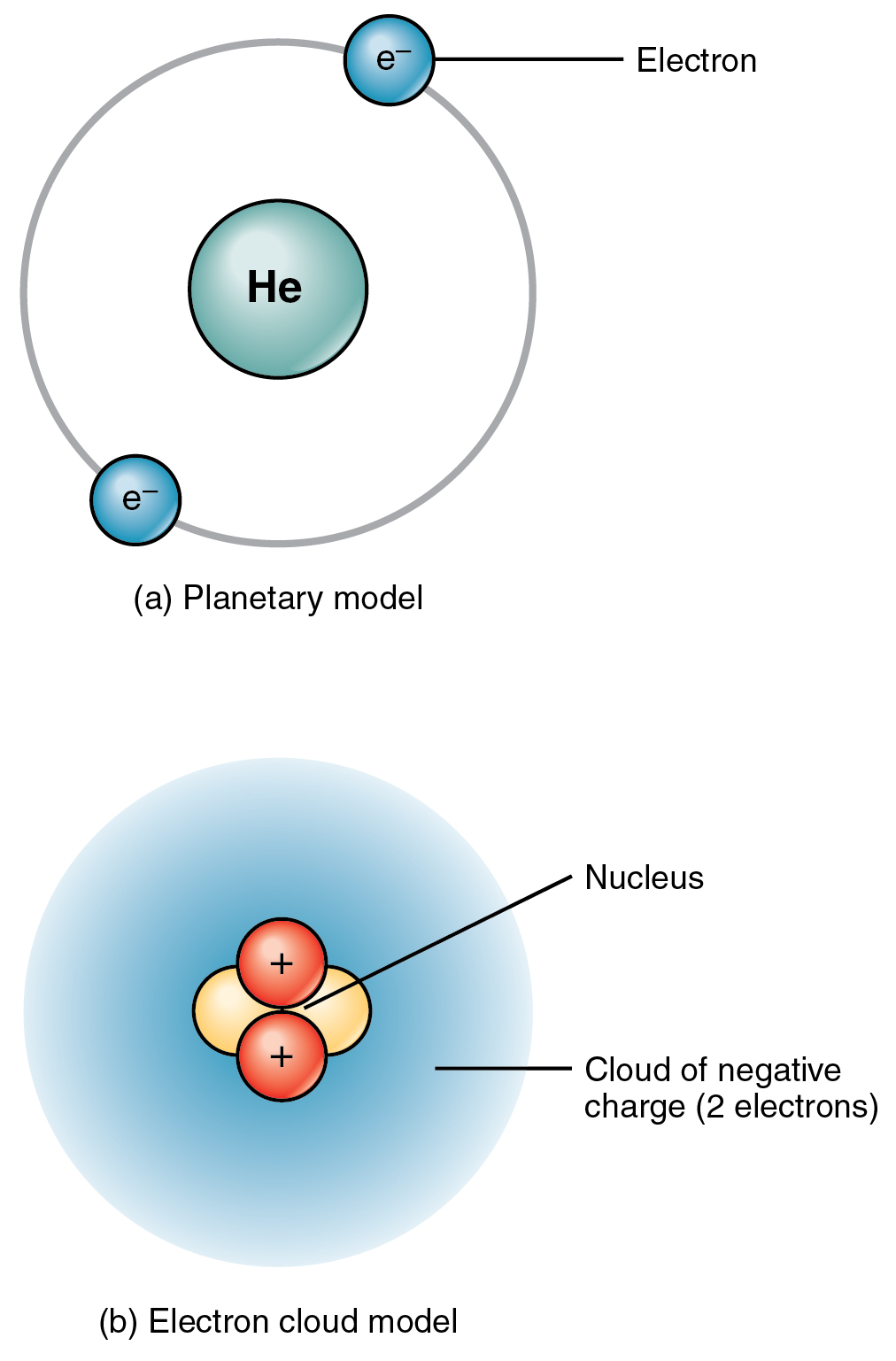
Chemistry is the study of matter and how it changes. All matter is made of atoms.


🧠 Memory Trick

Atom Structure: "PEN" - Protons = Positive (in nucleus) - Electrons = around the outside, nEgative - Neutrons = Neutral (in nucleus)

Elements in the Body: "CHNOPS" Carbon, Hydrogen, Nitrogen, Oxygen, Phosphorus, Sulfur


Atomic Structure

Atom Structure β€” Oxygen (O, Atomic # 8) 2nd shell (max 8 e⁻) 1st shell (max 2 e⁻) NUCLEUS 8 protons (+) 8 neutrons (0) e⁻ e⁻ e⁻ e⁻ e⁻ e⁻ e⁻ e⁻ Proton Positive (+), in nucleus Neutron Neutral (0), in nucleus Electron Negative (βˆ’), in shells/orbits (determines bonding!)
Particle Charge Location Mass
Proton Positive (+) Nucleus 1 amu
Neutron Neutral (0) Nucleus 1 amu
Electron Negative (-) Orbits/shells ~0 amu

Key Definitions:

  • Atomic number = Number of protons (defines the element)
  • Mass number = Protons + Neutrons
  • Isotopes = Same element, different number of neutrons

Elements, Compounds, and Mixtures

Term Definition Example
Element Pure substance; one type of atom Oxygen (O), Carbon (C)
Compound Two or more elements chemically bonded Water (Hβ‚‚O), Salt (NaCl)
Molecule Two or more atoms bonded together Oβ‚‚, Hβ‚‚O
Mixture Combined but not chemically bonded Air, blood

Important Elements in the Body

Element Symbol Role
Oxygen O Cellular respiration
Carbon C Backbone of organic molecules
Hydrogen H Part of water and organic molecules
Nitrogen N Proteins, DNA
Calcium Ca Bones, muscle contraction, blood clotting
Potassium K Nerve function, muscle contraction
Sodium Na Nerve function, fluid balance
Iron Fe Hemoglobin (oxygen transport)

Chemical Bonds

Bond Type Description Strength Example
Ionic Transfer of electrons Strong NaCl (salt)
Covalent Sharing of electrons Strong Hβ‚‚O, Oβ‚‚
Hydrogen Attraction to H in another molecule Weak Water molecules

Ionic vs. Covalent:

  • Ionic: Metal + Nonmetal (electron transfer)
  • Covalent: Nonmetal + Nonmetal (electron sharing)

Ions and Electrolytes

Ion = Atom that gained or lost electrons

Ion Type Charge How Formed Example
Cation Positive (+) Lost electrons Na⁺, K⁺, Ca²⁺
Anion Negative (-) Gained electrons Cl⁻, HCO₃⁻

Electrolytes are ions that conduct electricity in solution: - Sodium (Na⁺) β€” Fluid balance - Potassium (K⁺) β€” Heart function - Calcium (Ca²⁺) β€” Muscles, bones - Chloride (Cl⁻) β€” Fluid balance


✏️ Worked Examples

Example 1: Atomic Structure

Question: An atom has 6 protons. What element is it?

Step 1 β€” Know what the atomic number tells you. Every element is defined by its number of protons β€” this is called the atomic number. No two elements have the same number of protons. It's like a fingerprint. The periodic table lists elements in order of atomic number.

Step 2 β€” Apply the rule. The question says "6 protons." Atomic number 6 = Carbon (C). You don't need to memorize the whole periodic table β€” but carbon (6), hydrogen (1), oxygen (8), and nitrogen (7) are the most important elements for biology, and knowing them is enough for the TEAS.

Step 3 β€” Why carbon matters. Carbon is the backbone of ALL organic (living) molecules β€” carbohydrates, proteins, lipids, nucleic acids are all built on carbon chains. It's the foundation of life chemistry.

Answer: Carbon β€” 6 protons = atomic number 6 = Carbon.


Example 2: Step-by-Step Solution

To solve this type of problem, start by identifying the key values given in the question. Then apply the formula we covered above...

Step 1: Convert the mixed number to an improper fraction...

Step 2: Find the common denominator between the two fractions...

Keep reading β€” there's more to this guide

The worked examples and practice problems are the part that actually prepares you for the TEAS.

Unlock Full Guide β€” Free for 3 Days

$0 today β€’ Cancel anytime before your trial ends

πŸ€– AI Tutor

Loading...

πŸ‘‹ Hi! I'm your TEAS Tutor

Ask me anything about Math, Reading, Science, or English!

πŸ“ How do I convert fractions to decimals?
πŸ”¬ Explain arteries vs veins
✏️ What are the parts of speech?

Wait! Grab your free cheat sheet

Get the essential TEAS formulas, conversions, and must-know facts in one printable PDF.

πŸ“‹ FREE: TEAS Quick Reference Cheat Sheet

βœ“ Check your inbox! Your cheat sheet is on its way.

No spam. Unsubscribe anytime.